
The Monday Night War - WWE Raw vs. WCW Nitro
2004
No user ratings available yet
Diversity score: 2.4 out of 10
2020
TV-PGDirector
Blake J. Harris, Jonah Tulis
Runtime
93 minutes
Average Rating
No ratings yetSynopsis
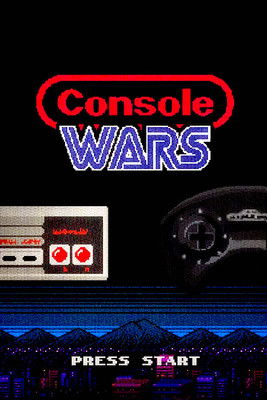
In 1990, SEGA, a fledgling arcade company assembled a team of misfits to take on the greatest video game company in the world, Nintendo. It was a once-in-a-lifetime, no-holds-barred conflict that pit brother against brother, kids against grownups, Sonic against Mario, and uniquely American capitalism against centuries-old Japanese tradition. For the first time ever, the men and women who fought on the front lines for Sega and Nintendo discuss this battle that defined a generation.
Overall Score
Limited
Category Breakdown
LGBTQ+ Representation
The film focuses on the corporate and engineering landscapes of the early 1990s. It lacks discernible LGBTQ+ characters or narratives that engage with queer identities.
Gender Representation
The narrative centers on male-dominated executive suites and technical sectors. While mentioning men and women, the central plot drivers are almost exclusively male leadership figures.
Racial & Ethnic Diversity
The documentary highlights the friction between American capitalism and Japanese corporate tradition. However, the primary subjects and interviewees remain largely homogeneous.
Religious & Cultural Diversity
The film celebrates market competition and capitalist disruption. It reinforces traditional Western business values and the 'disruptor' archetype rather than offering cultural critiques.
Disability Representation
There is no substantive focus on neurodivergence, physical disabilities, or mental health. Subjects are presented solely through their professional and corporate achievements.
Strengths
Areas for Improvement
AI Analysis
Console Wars functions as a specialized historical record of the 1990s gaming industry. It prioritizes the mechanics of corporate rivalry and the evolution of market competition over social commentary. The documentary captures the tension between American and Japanese business philosophies effectively. However, the film's structure mirrors the traditional hierarchies of the era. It lacks intersectional storytelling, focusing instead on a narrow view of leadership and industry impact. The narrative remains tethered to the social norms of the period it depicts. Ultimately, the film serves as a chronological account of industry competition. It does not attempt to challenge or subvert conventional social, gender, or racial structures within the tech sector.
2004

2012

2011

2017

2016

2017
2016
2002

2008

2015

2011
2009
No reviews yet. Be the first to share your thoughts on this movie!
Use the rating form above to leave a star rating and optional review.