World 1-1
2015
No user ratings available yet
Representation score: 3.1 out of 10
Representation Score
Limited
2003
NRDirector
Howard Scott Warshaw
Runtime
120 minutes
Average Rating
No ratings yetNew Showbiz Analysis
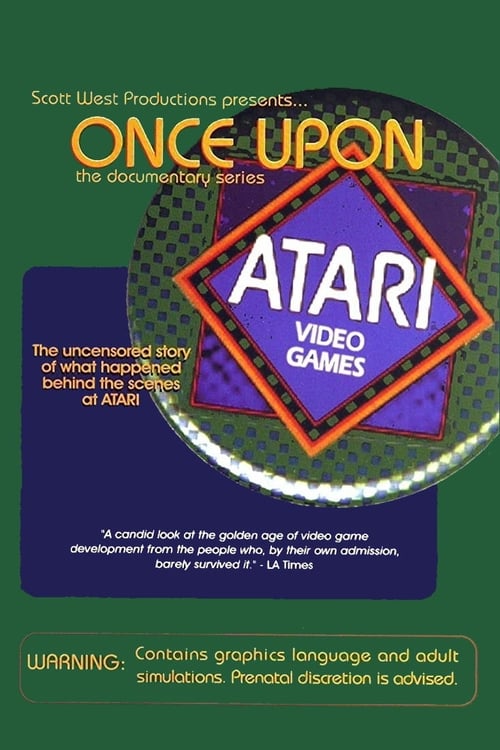
Once Upon Atari serves as a historical preservation of a specific technological subculture. It prioritizes the lived experiences and significant roles of early creators over a sanitized, corporate overview of the industry. While the film captures the chaotic, anti-establishment spirit of the early gaming era, it remains limited by the demographic realities of the 1970s and 80s. The narrative lacks significant representation across gender, race, and sexuality. Ultimately, the documentary succeeds in offering a non-conformist perspective on the industry's rise and fall, even if it does not actively disrupt the era's historical lack of diversity.
Category Breakdown
The film focuses on the technical and professional history of the Atari 2600 era. There is no explicit evidence of LGBTQ+ character arcs or narratives addressing the assumption that everyone is straight or cisgender.
The narrative centers on the 'titans of gaming' during a heavily male-dominated era. It focuses on masculine professional hierarchies with little evidence of women's ability to drive the story in creative roles.
The film explores the origins of Silicon Valley during a period of demographic homogeneity. It reflects the era's constraints without providing evidence of diverse casting or stories that reflect multiple aspects of identity.
The documentary celebrates a counter-cultural, non-conformist spirit. It frames the industry through 'cult celebrity' and raw, unpolished environments rather than sanitized corporate histories.
There is no discernible information regarding the portrayal of physical or neurodivergent disabilities within the provided material.
Present on Screen
Limited or Absent
Official Synopsis
In the late 70s and early 80s, ET phoned home on Atari 2600 and became the video game that New Media magazine later described as having toppled a billion dollar industry. We know the industry rose again as a pale, commercial version of its old self, but… did you ever wonder what it was like back in the wild days when the titans of gaming clashed, not on Wall Street, but inside the minds of designers? Want to learn first hand how the barren valley south of The Bay gave birth to cult celebrity that died as quickly as it was born? Take the ride with the folks who made it happen. Walk on walls, smoke the evil weed, and plunge head first into the uncharted (undocumented) world that was game production back in the bad old days.
2015

2013

2016
2014
2015

2009

2020

2013
No reviews yet. Be the first to share your thoughts on this movie!
Use the rating form above to leave a star rating and optional review.