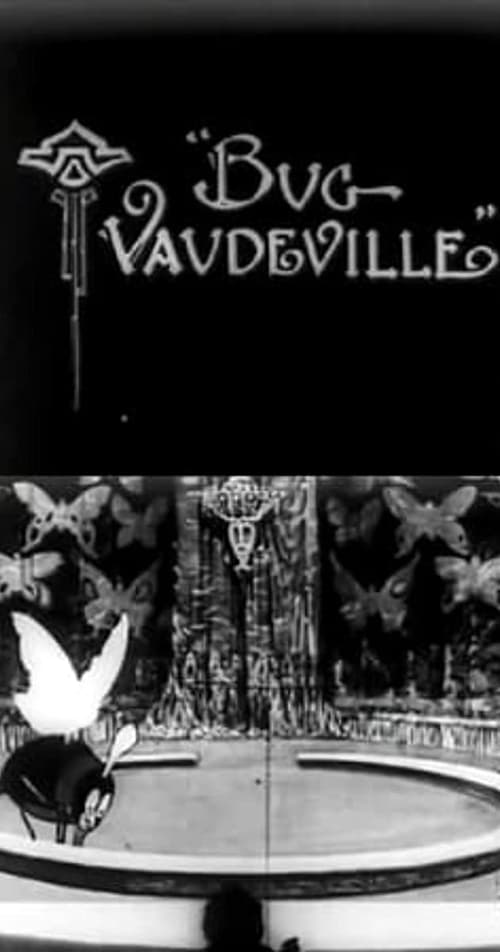
Dreams of the Rarebit Fiend: Bug Vaudeville
1921
No user ratings available yet
Representation score: 1.2 out of 10
Representation Score
Minimal
1921
Director
Winsor McCay
Runtime
11 minutes
Average Rating
No ratings yetNew Showbiz Analysis
Winsor McCay’s work is a landmark in animation history, emphasizing surrealist experimentation and the exploration of subconscious psychological states. The narrative structure revolves around a traditional domestic setting, limiting its engagement with diverse social frameworks. The film lacks intentional representation of various social identities and does not challenge established social hierarchies. Instead, it focuses on the chaotic, non-linear reality of a dream state triggered by a specific food item. While the work is foundational to the medium, it reflects the homogeneous and traditional social structures of the early 20th century.
Category Breakdown
The film focuses on a heterosexual couple and does not include any LGBTQ+ characters or themes.
The wife drives the plot by adopting the creature, but she is limited to a traditional domestic role. The film does not challenge traditional gender roles.
The cast appears uniform, reflecting the early 1920s animation context. There are no non-white characters or racial diversity.
The narrative uses dream logic to disrupt the stability of the domestic sphere. It emphasizes individual psychological experiences rather than broader cultural or institutional critiques.
Themes of altered consciousness and hallucinations are presented as surreal fantasy. These elements do not represent neurodivergence or physical disabilities.
Present on Screen
Limited or Absent
Official Synopsis
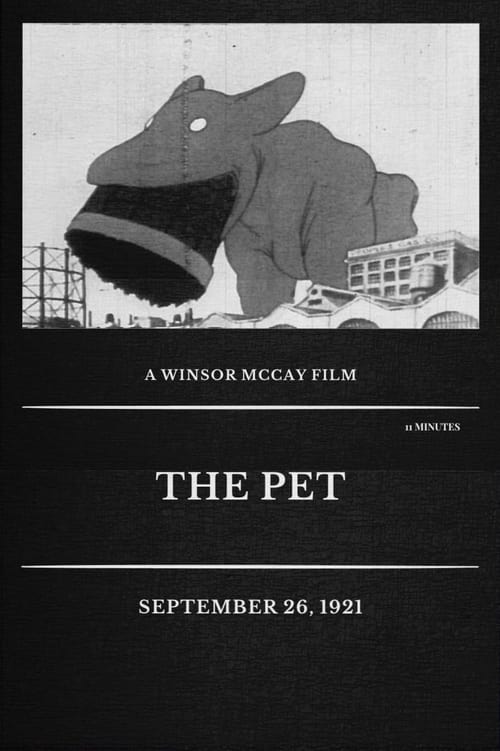
After eating a rarebit, a man falls asleep and dreams his wife adopts a mysterious animal with an insatiable appetite. The pet eats its milk, the house cat, the house's furnishings, rat poison, and passing vehicles, including airplanes and a blimp, while growing larger and larger. This cartoon is part of a Dream trilogy animated by Winsor McCay in 1921. (CBGP)
1921

1921

1936
1908
1908
1921
1977
1906
No reviews yet. Be the first to share your thoughts on this movie!
Use the rating form above to leave a star rating and optional review.