An Animated Luncheon
1900
No user ratings available yet
Representation score: 0.6 out of 10
Representation Score
Limited
1906
Not RatedDirector
Edwin S. Porter
Runtime
7 minutes
Average Rating
No ratings yetNew Showbiz Analysis
Edwin S. Porter’s 1906 short is a landmark of early cinematic surrealism, yet it operates within a narrow scope of social identity. The film prioritizes the psychological exploration of dreamscapes over the representation of diverse human experiences. Since the narrative revolves around a single man's hallucinatory reactions to food, it fails to address issues related to gender, race, or sexuality. It reflects the homogeneous social norms of the early 1900s without challenging them. Ultimately, the work is an aesthetic study of individual consciousness. It lacks the intentionality needed to engage with systemic power or storytelling that reflects multiple aspects of identity.
Category Breakdown
The film does not depict any LGBTQ+ identities or same-sex relationships. It focuses entirely on a single male protagonist's hallucinations, offering no queer visibility.
The story centers around a single male protagonist, with no meaningful interactions between genders or opportunities for women to take a leading role.
The film lacks a diverse cast and does not employ color-blind casting. Characters reflect the homogeneous social norms of the early 20th century Western society.
This surrealist experiment avoids engagement with Western institutions such as religion or capitalism. It prioritizes individual consciousness over social commentary.
No disabilities are portrayed. The protagonist's altered state comes from eating certain foods rather than from neurodivergence or chronic illness.
Present on Screen
Limited or Absent
Official Synopsis
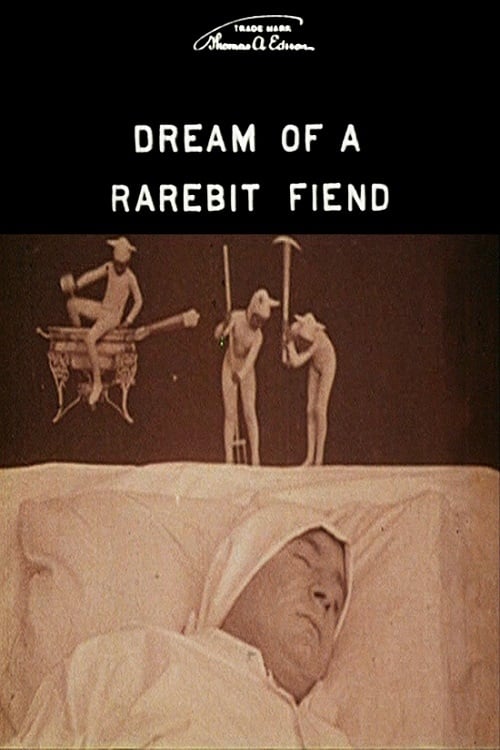
A live-action film adaptation of the comic strip Dream of the Rarebit Fiend by American cartoonist Winsor McCay. This silent short film follows the established theme: the “Rarebit Fiend” gorges himself on rarebit and thus suffers spectacular hallucinatory dreams.
1900
1905
1905
1906
1900
1905
1931
1901
No reviews yet. Be the first to share your thoughts on this movie!
Use the rating form above to leave a star rating and optional review.