School in the Crosshairs
1981
No user ratings available yet
Representation score: 7.4 out of 10
Representation Score
Limited
2012
TV-PGDirector
Ryosuke Nakamura
Runtime
110 minutes
Average Rating
No ratings yetNew Showbiz Analysis
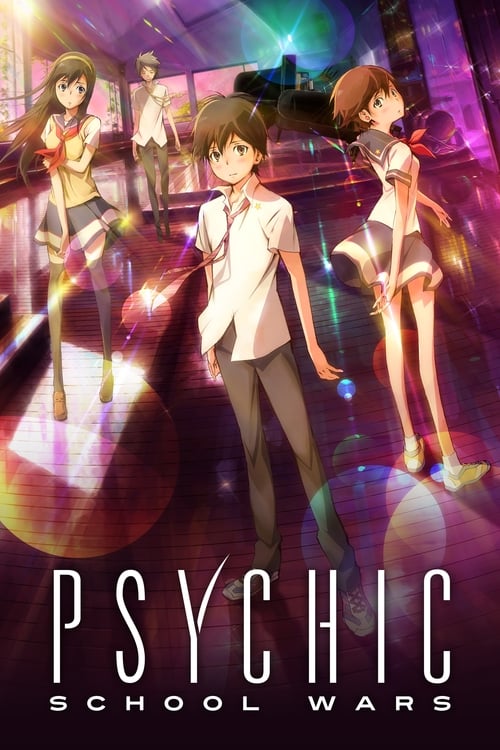
Psychic School Wars is a genre-driven exploration of power and autonomy. It uses a science-fiction framework to examine social hierarchy and individual ability to act within a school setting. The narrative focuses on the disruption of a traditional environment by a supernatural force, serving as a metaphor for the imposition of new social orders and the struggle for freedom. While the film lacks overt identity politics or characters who reflect more than one aspect of diversity, it offers a progressive subtext through its thematic preoccupation with resisting systemic control and institutional hierarchy.
Category Breakdown
The film does not include any explicit LGBTQ+ characters or narratives. The plot revolves around a power struggle between a charismatic protagonist and a resistance group.
The story centers on a male protagonist whose charisma and telepathic abilities drive the conflict. The narrative does not challenge traditional gender roles or hierarchies.
Set in Kamakura, Japan, the cast appears ethnically homogeneous. The narrative adheres to the social constraints of its localized setting without promoting diverse ethnic blending.
The film critiques institutional authority by framing a takeover as a challenge to school structures. It explores the tension between systemic order and individual freedom.
No characters with visible or invisible disabilities are mentioned. Telepathy is presented as a tool for dominance rather than a lived experience of disability.
Present on Screen
Limited or Absent
Official Synopsis
It's a new school year at the local Junior High School i Kamakura. The school year starts off with a new transfer student Ryoichi Kyogoku who joins the 8th grade class. He has been ordered to join the school, and use his special gift of telepathy and take over their school. This boy who happens to be handsome, and be a charismatic person, gains popularity, and using his powers takes over the entire school, except for Seki. This begins a war to regain their freedom for their school and themselves.
1981
2020

2019
2020
2015

2017
2019

2011
No reviews yet. Be the first to share your thoughts on this movie!
Use the rating form above to leave a star rating and optional review.