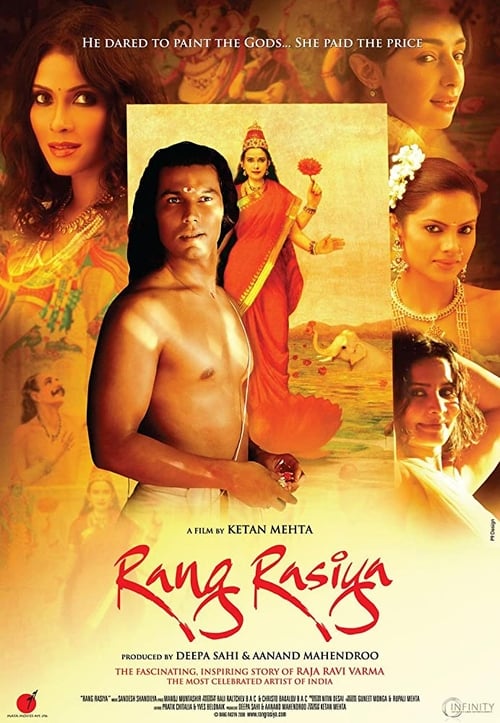
Rang Rasiya
2014
No user ratings available yet
Representation score: 8.0 out of 10
Representation Score
Minimal
1983
Director
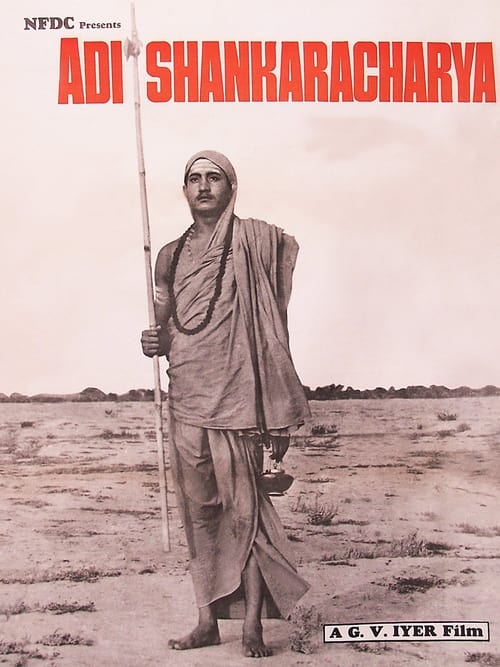
G. V. Iyer
Runtime
130 minutes
Average Rating
No ratings yetNew Showbiz Analysis
G. V. Iyer’s film is a deeply specialized work of cultural preservation. It succeeds by providing an authentic, non-Western perspective that centers Indian philosophy and identity without the lens of Western-centric casting. However, this commitment to historical and theological accuracy limits its social diversity. The film's focus on male-dominated monastic traditions and traditional religious hierarchies results in a lack of gender and LGBTQ+ diversity. Ultimately, the film functions as a spiritual study rather than a social critique, prioritizing the preservation of ancient traditions over the representation of diverse modern social identities.
Category Breakdown
The film adheres strictly to the historical and theological constraints of 8th-century India. It focuses on monastic celibacy and lacks any depiction of non-traditional gender identities or same-sex relationships.
The narrative operates within a traditional patriarchal framework. It focuses almost exclusively on male monastic lineages, leaving women's roles largely absent from the central philosophical debates.
The production excels in authentic ethnic representation by centering an Indian historical figure. It utilizes a predominantly South Asian cast to present a non-Western worldview.
The film celebrates traditional Hindu Vedantic thought and the sanctity of the Guru-Shishya relationship. It seeks to dignify ancient spiritual structures rather than critique them.
There is no discernible focus on visible or invisible disabilities. Characters are defined primarily by their intellectual and spiritual capacities within their historical context.
Present on Screen
Limited or Absent
Official Synopsis
The movie follows the life and times of Sankara - the founder of the non-duality (Advaita) school of Indian philosophy.
2014
1966
2019
2010
2019

2001
1982

2005
No reviews yet. Be the first to share your thoughts on this movie!
Use the rating form above to leave a star rating and optional review.