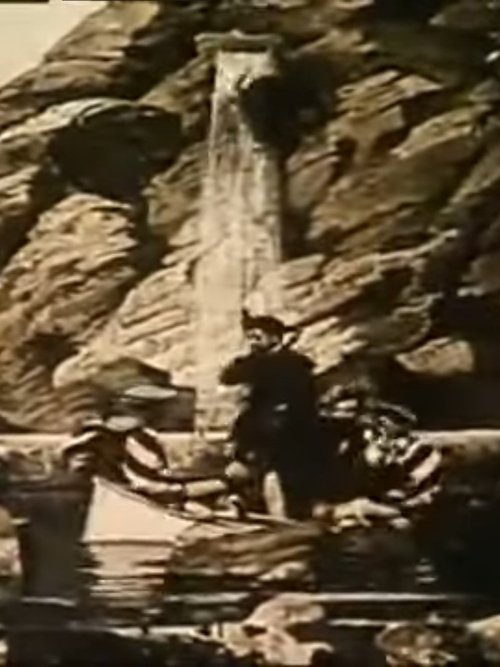
William Tell
1903
No user ratings available yet
Representation score: 1.1 out of 10
Representation Score
Minimal
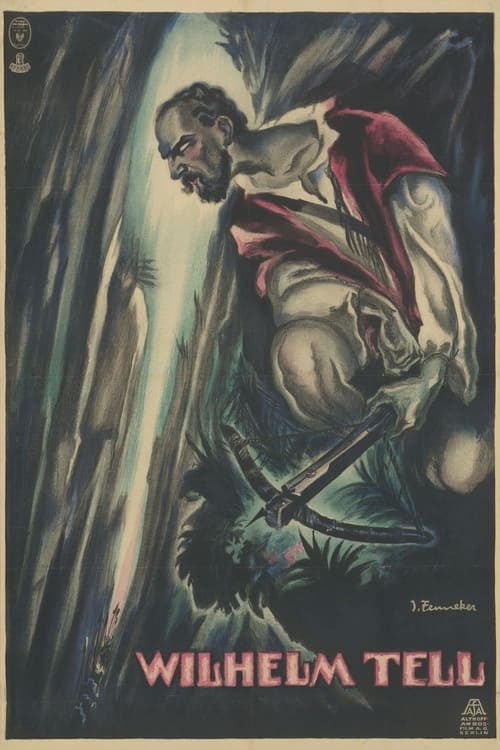
1923
Director
Rudolf Dworsky, Rudolf Walther-Fein
Average Rating
No ratings yetNew Showbiz Analysis
This 1923 silent epic serves as a traditional historical drama centered around 14th-century feudalism. The narrative revolves around the fight for regional autonomy against the Habsburg Empire, emphasizing male-led political movements. While the film lacks modern diverse representation, it offers a critique of institutional oppression. By portraying the Habsburg rule as tyrannical, the story addresses the universal theme of resisting centralized authority. Ultimately, the production adheres to the demographic and social norms of its time, presenting a localized European perspective.
Category Breakdown
The film focuses on traditional heterosexual relationships and does not include any LGBTQ+ characters or narratives.
Male characters play a dominant role in the story, while female characters have limited involvement and intellectual depth.
The film maintains a Eurocentric focus with a cast and setting that reflect a homogeneous demographic typical of 14th-century Switzerland.
The narrative highlights themes of resistance against oppressive rule, focusing on national liberation from a centralized authority.
The film does not feature any characters with visible or invisible disabilities.
Present on Screen
Limited or Absent
Official Synopsis
William Tell (German: Wilhelm Tell) is a 1923 German silent adventure film directed by Rudolf Dworsky and Rudolf Walther-Fein and starring Hans Marr, Conrad Veidt and Erich Kaiser-Titz. The film portrays the story of the legendary Swiss national hero William Tell.
1903
1924

1928
1924
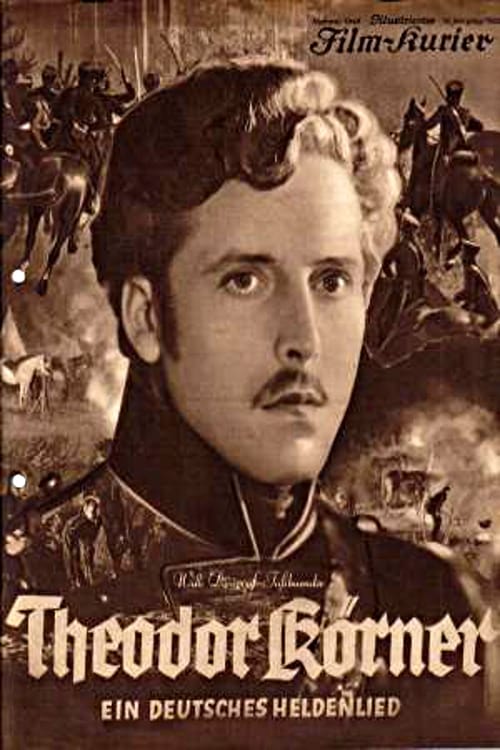
1932
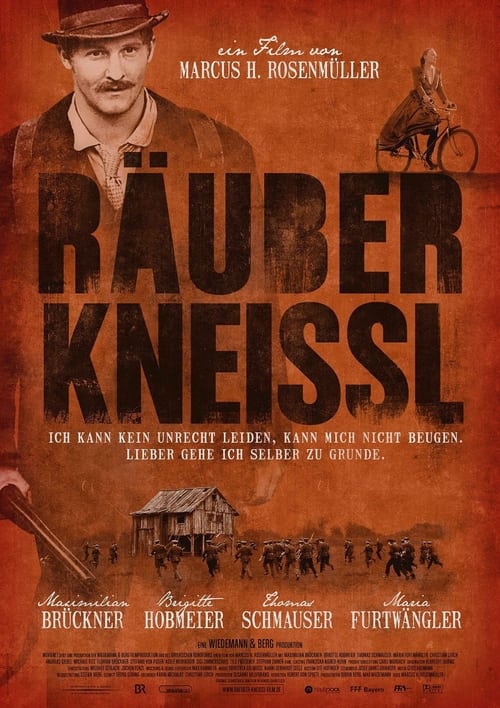
2008
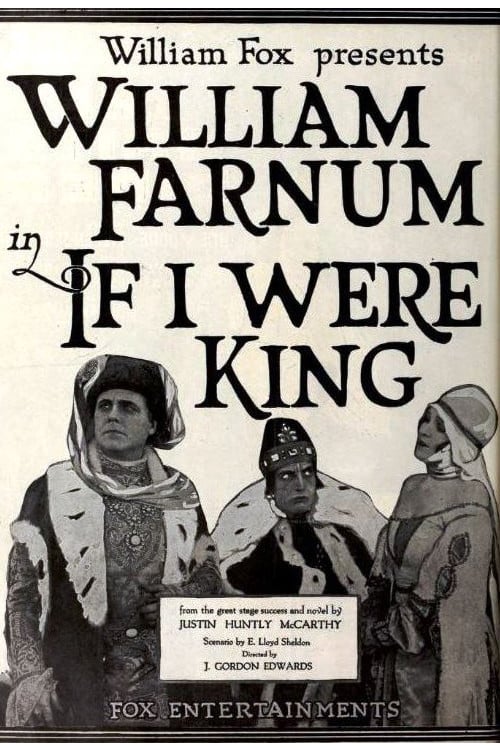
1920
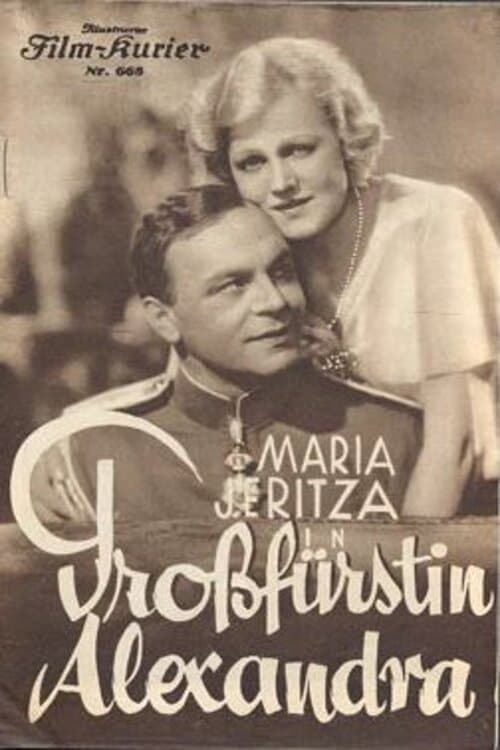
1933
No reviews yet. Be the first to share your thoughts on this movie!
Use the rating form above to leave a star rating and optional review.