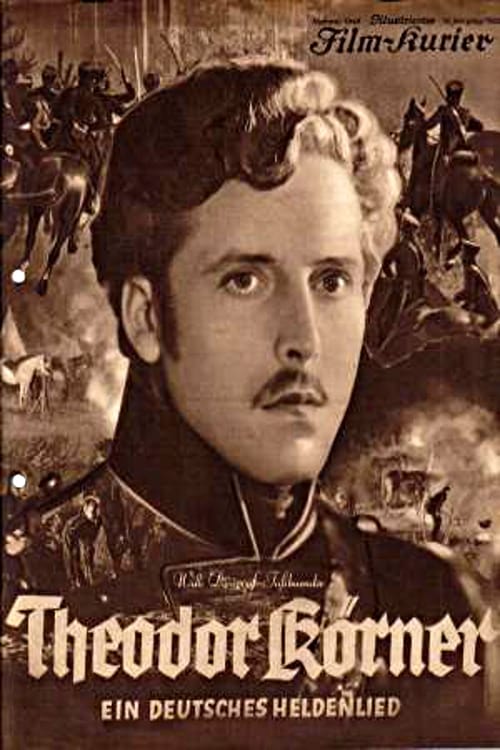
Theodor Körner
1932
No user ratings available yet
Representation score: 0.3 out of 10
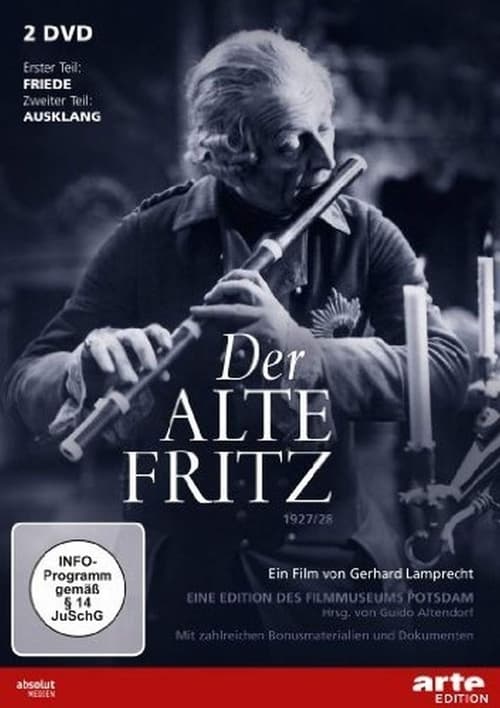
Representation Score
Minimal
1928
Director
Gerhard Lamprecht
Runtime
166 minutes
Average Rating
No ratings yetNew Showbiz Analysis
The film operates as a traditional biographical epic that upholds the institutional values of the Prussian state. It prioritizes the reinforcement of established hierarchies over diverse perspectives. The narrative structure is centered around a rigid, patriarchal, and Eurocentric framework, limiting the inclusion of diverse social viewpoints. Ultimately, the work reflects the historical and cinematic constraints of 1928 Germany, emphasizing national identity and autocratic authority.
Category Breakdown
The film does not include any representation of LGBTQ+ identities. It focuses on the social structures and masculine authority prevalent in the 1920s.
The story emphasizes traditional gender roles and military hierarchy, reinforcing masculine leadership and autocratic power.
The cast is primarily composed of white actors, reflecting a Eurocentric aristocratic environment. This aligns with the film's 18th-century Prussian setting and its nationalistic focus.
The story examines statecraft through traditional Western institutions, portraying the Prussian monarchy as a central, stabilizing force without critique.
There are no characters with visible or invisible disabilities. Psychological tension exists, but disability is not used as a narrative driver.
Present on Screen
Limited or Absent
Official Synopsis
Silent epic on the final years of Frederick II.
1932
1924
1933
1924
1937
1937
1940
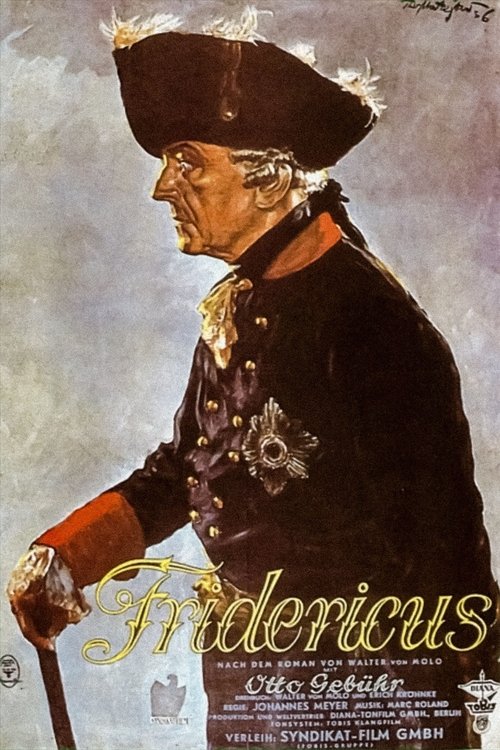
1937
No reviews yet. Be the first to share your thoughts on this movie!
Use the rating form above to leave a star rating and optional review.