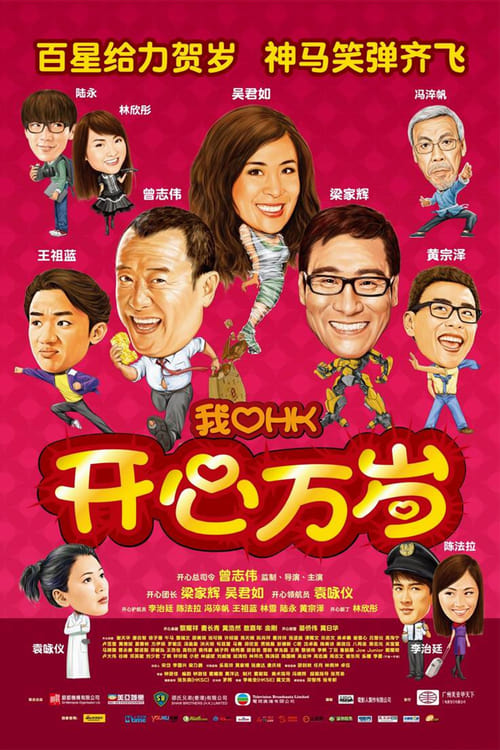
I Love Hong Kong 2011
2011
No user ratings available yet
Representation score: 2.9 out of 10
Representation Score
Limited
2013
Director
Chung Shu-Kai
Runtime
98 minutes
Average Rating
No ratings yetNew Showbiz Analysis
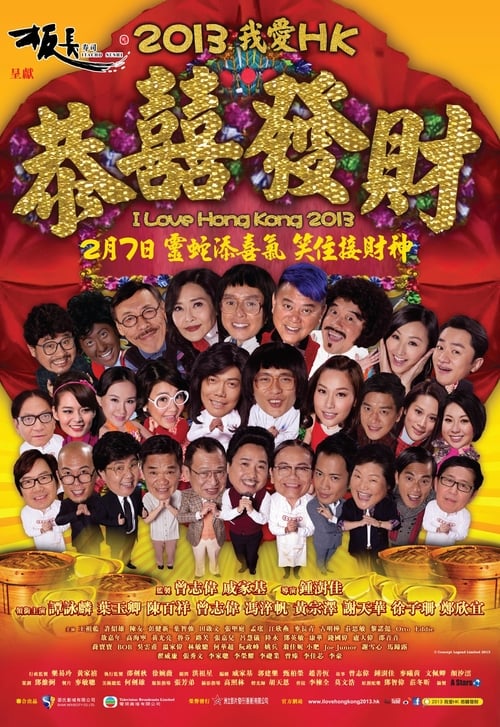
I Love Hong Kong 2013 is a nostalgic, populist comedy designed for festive consumption. By focusing on the 1970s era of economic growth, the film prioritizes traditional cultural values over narrative subversion. The production adheres to established social hierarchies and traditional family structures, reinforcing existing cultural values without challenging them. While the film offers strong representation of Hong Kong's local identity, it lacks complexity in representing diverse identities.
Category Breakdown
The film centers on traditional Chinese New Year celebrations and their associated family structures, without addressing non-cisgender identities or LGBTQ+ perspectives.
Set in the 1970s, the comedy aligns with the era's social hierarchies. Female characters do not challenge the authority of male figures.
The story highlights a specific East Asian cultural context and local Hong Kong identity within a homogeneous ethnic framework.
The film upholds traditional religious and familial customs tied to Chinese New Year, emphasizing social stability and economic prosperity over critical themes.
There is no information available regarding the inclusion or portrayal of characters with physical or neurodivergent disabilities.
Present on Screen
Limited or Absent
Official Synopsis
Eric Tsang and stars are back with another entry into the "I Love Hong Kong" franchise: this Chinese New Year with a story that is set in the 1970s, a decade of economic growth and prosperity for Hong Kong and the citizens.
2011
2010
2010
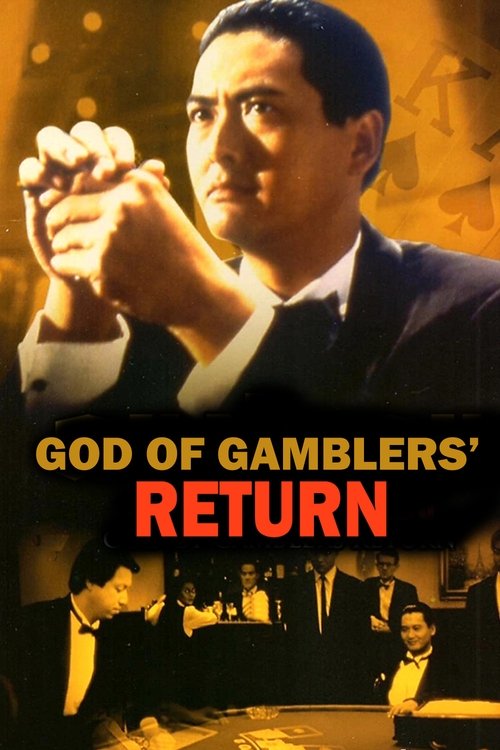
1994
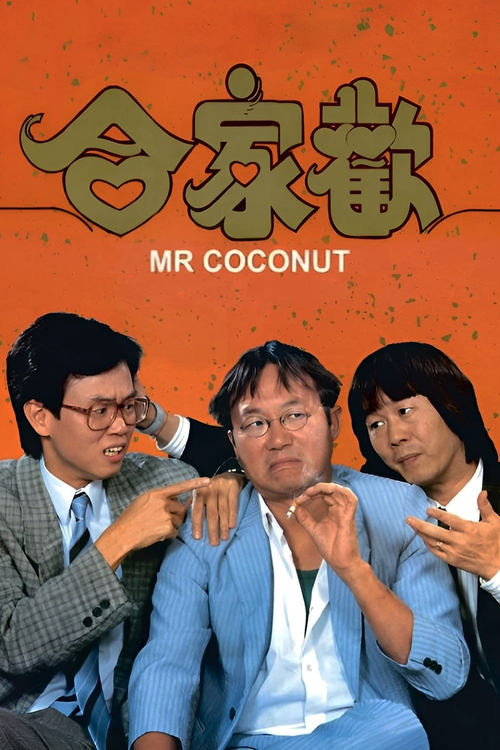
1989
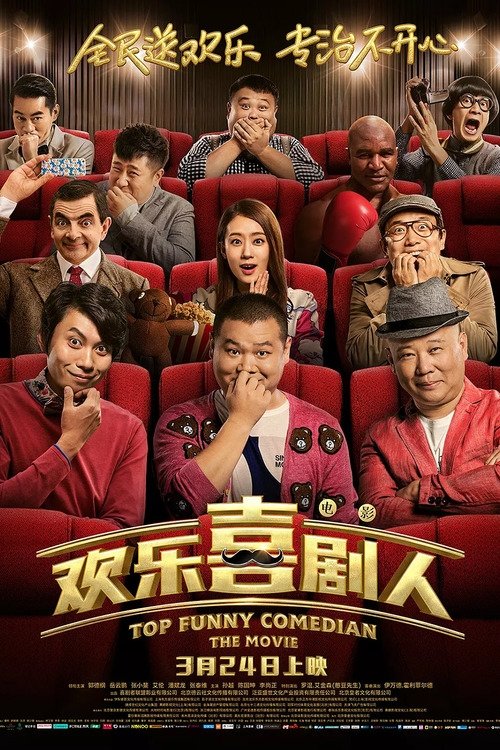
2017
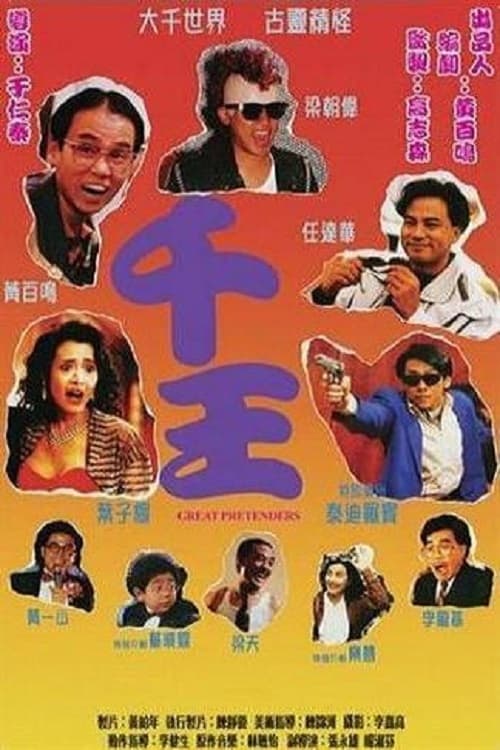
1991
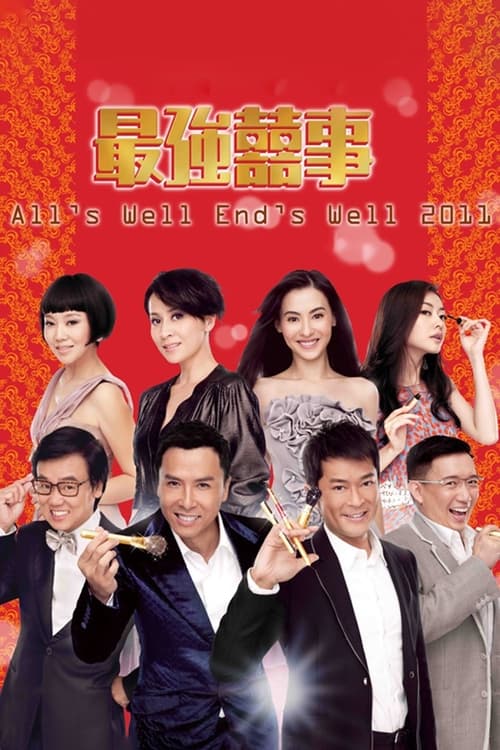
2011
No reviews yet. Be the first to share your thoughts on this movie!
Use the rating form above to leave a star rating and optional review.