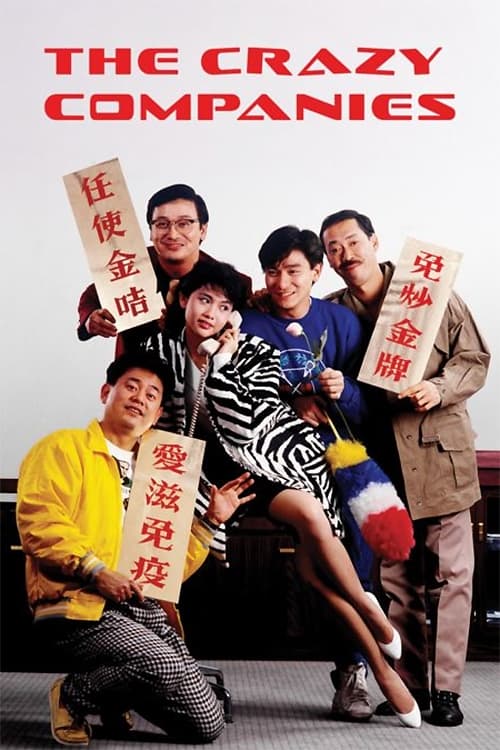
The Crazy Companies
1988
No user ratings available yet
Representation score: 3.7 out of 10
Representation Score
Limited
2010
Director
Eric Tsang Chi-Wai, Chung Shu-Kai, Patrick Kong Pak-Leung
Runtime
99 minutes
Average Rating
No ratings yetNew Showbiz Analysis
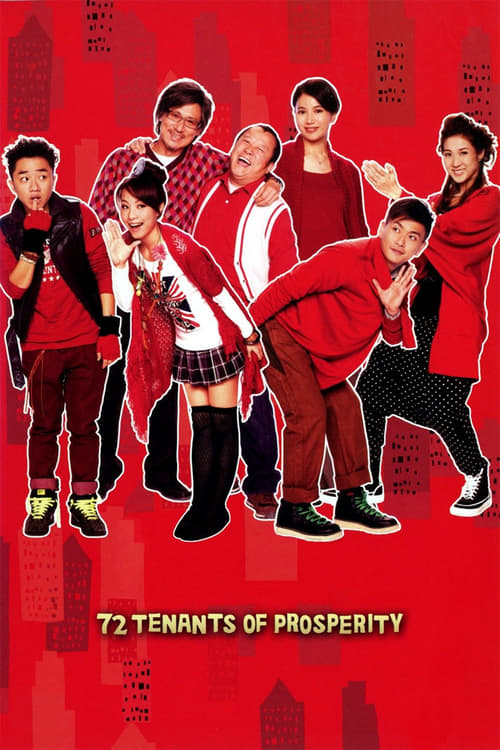
72 Tenants of Prosperity is a traditional genre comedy that prioritizes populist entertainment and situational humor. The story relies heavily on established clichés, particularly a long-standing rivalry between two male protagonists. While the film offers a culturally specific look at life in Mongkok, its narrative structure remains conservative. It focuses on male-driven competition and conventional romantic conflicts rather than exploring diverse identities or systemic critiques. Ultimately, the film functions as a character-driven ensemble piece that adheres to standard social structures and traditional gender dynamics.
Category Breakdown
The story revolves around a traditional rivalry between two men competing for a woman. There are no representations of non-straight or non-cisgender identities, nor does it challenge the assumption that everyone is straight or cisgender.
The plot is driven by male competition and business rivalry. The female character mainly serves as a catalyst for the men's conflict, suggesting a traditional role tied to domesticity.
Set in Mongkok, the film reflects the local Hong Kong demographic. While it captures a specific regional identity, it does not intentionally disrupt ethnic hierarchies.
The story explores local entrepreneurship and small-scale capitalism within standard social and economic frameworks. It does not deconstruct traditional or Western institutions.
The film does not include any characters with visible or invisible disabilities. There is no representation of individuals with disabilities in the narrative context.
Present on Screen
Limited or Absent
Official Synopsis
Kung and Kin's rivalry goes way back to the seventies when they fought over the same girl, who eventually became Kung's wife. Now they run competing phone stores right across from each other on Mongkok's busiest street, and stretch their minds trying to outdo each other with crazy promotions.
1988
1990
1991
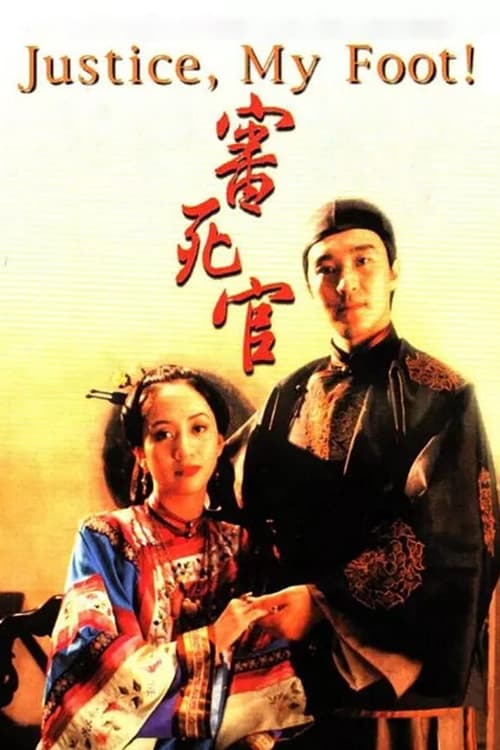
1992

2011
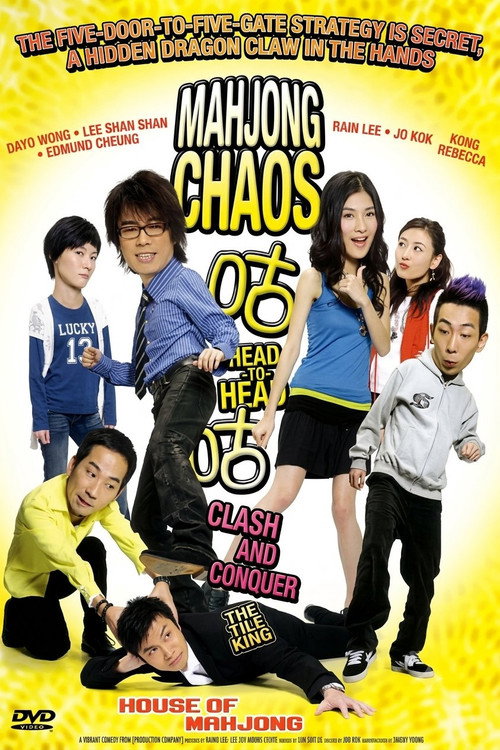
2007
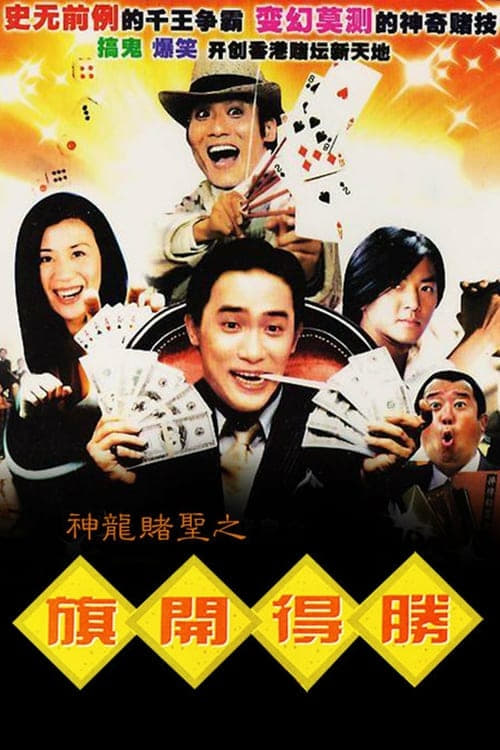
1994
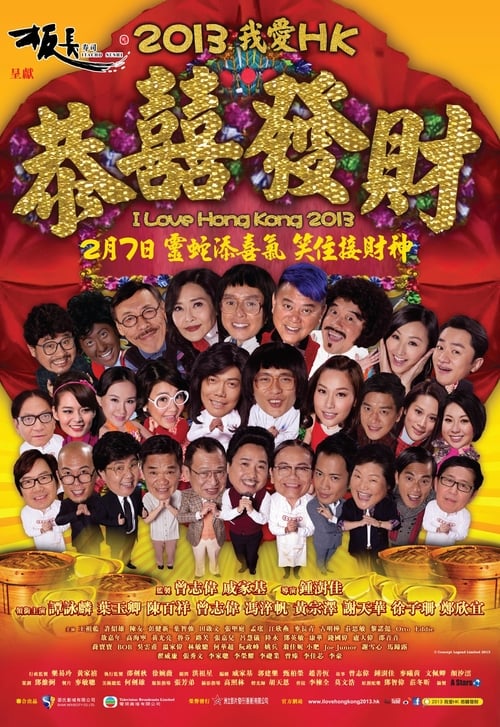
2013
No reviews yet. Be the first to share your thoughts on this movie!
Use the rating form above to leave a star rating and optional review.