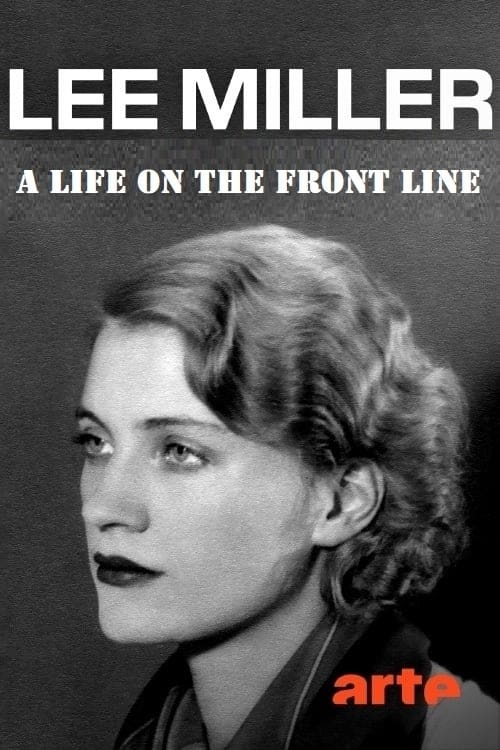
Lee Miller: A Life on the Frontline
2020
No user ratings available yet
Representation score: 5.3 out of 10

Representation Score
Fair
1996
Director
Sylvain Roumette
Runtime
55 minutes
Average Rating
No ratings yetNew Showbiz Analysis
Lee Miller: Through the Mirror is a focused biographical study that excels in its portrayal of female empowerment. By documenting Miller's evolution from fashion model to celebrated war photographer, the film successfully challenges historical gender hierarchies and the sidelining of women in art. However, the film is limited by its specific Western biographical scope. The narrative remains rooted in the Anglo-Saxon demographic realities of the mid-20th century, offering little in the way of racial or ethnic diversity. Ultimately, the documentary serves as a meaningful reclamation of a woman's narrative. It provides a nuanced look at power dynamics, even if it stays within a relatively narrow cultural and racial framework.
Category Breakdown
The film explores identity through the lens of the Surrealist movement and non-traditional lifestyles. While it lacks explicit queer-coded narratives, it touches on the subversion of straight-centered social structures.
The documentary centers on a woman transitioning from a passive model to a actively leading photojournalist. It highlights Miller's ability to navigate and dominate male-centric spaces during WWII.
The narrative follows a Western biographical trajectory through the USA and UK. It reflects the demographic realities of the early-to-mid 20th-century Western art scene without significant racial blending.
The film critiques mid-century social rigidity by exploring the Surrealist movement. It prioritizes individual psychological depth and subjective truth over traditional, singular moral frameworks.
There is no documented evidence regarding the portrayal of physical or neurodivergent disabilities in this biographical study.
Present on Screen
Limited or Absent
Official Synopsis
Biographical documentary of Lee Miller (aka Elizabeth Miller, 1907-1977), her early years in USA under her father's influence, later became a model turned artist and celebrated photographer, including her photojournalism during WWII, and her second marriage to British surrealism painter Roland Penrose postwar. Film is told through interviews with Miller's son, Antony Penrose.
2020
2008
2007

2018
1989
2022
2017
2021
No reviews yet. Be the first to share your thoughts on this movie!
Use the rating form above to leave a star rating and optional review.