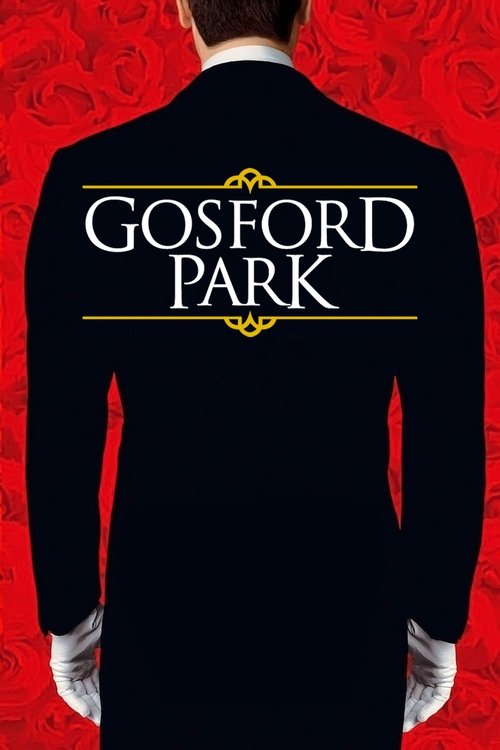
Gosford Park
2001
No user ratings available yet
Representation score: 5.4 out of 10

Representation Score
Excellent
2022
RDirector
David O. Russell
Runtime
134 minutes
Average Rating
No ratings yetNew Showbiz Analysis
Amsterdam challenges traditional power dynamics by giving voice to underrepresented individuals within a historical context. The film avoids including someone from a minority group without giving them real depth through its casting and the professional independence given to its female lead. However, it remains conventional in its treatment of LGBTQ+ identities and does not prominently address disability. By questioning the stability of historical institutions, it presents them as sites of corruption and systemic conflict.
Category Breakdown
The film follows traditional narrative structures for romantic pairings and does not prioritize queer or non-cisgender identities as key elements of character development.
Margot Robbie's character breaks down 1930s gender roles by playing a significant professional role and maintaining intellectual equality with male characters. She drives the investigative storyline forward.
The film includes diverse casting, with John David Washington in a central role that allows him to take a leading role in the story. Characters of color are woven into the main social fabric.
The narrative critiques the corruption of political and capitalist systems. It explores how personal ethics can sometimes outweigh strict state or religious rules during periods of systemic upheaval.
The story centers on psychological stress and political conspiracies rather than disabilities. There is no prominent focus on visible or invisible disabilities as central to character identity.
Present on Screen
Limited or Absent
Official Synopsis
In the 1930s, three friends—a doctor, a nurse, and an attorney—witness a murder, become suspects themselves and uncover one of the most outrageous plots in American history.
2001
2002
1976

1955
2010
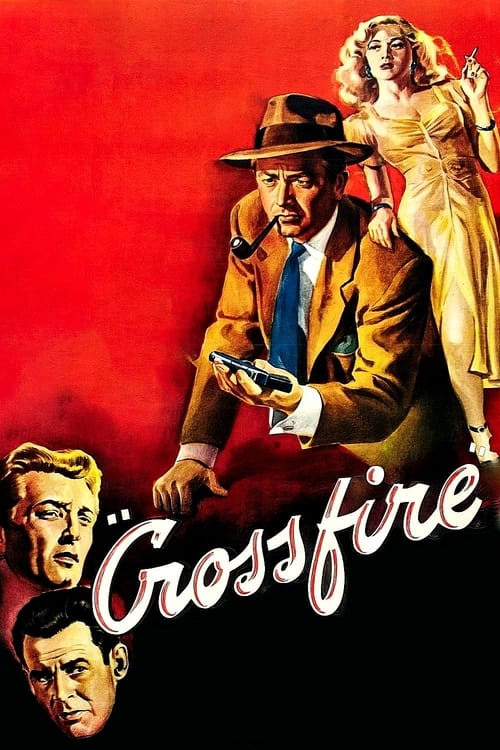
1947
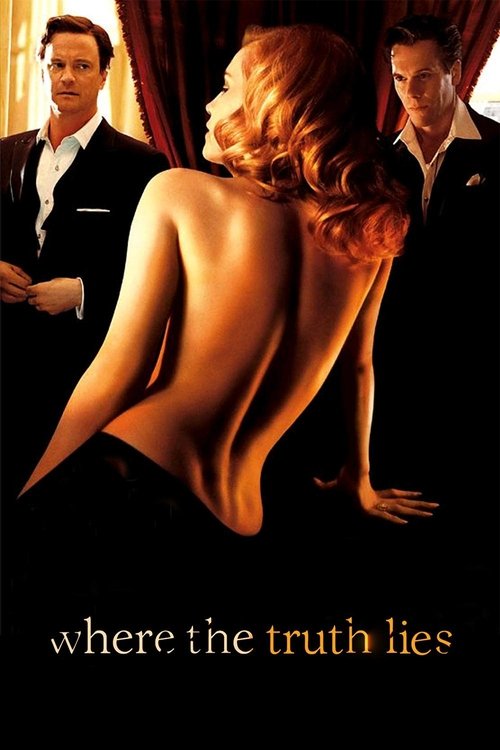
2005

1930
No reviews yet. Be the first to share your thoughts on this movie!
Use the rating form above to leave a star rating and optional review.