Orphans of Tibet
2010
No user ratings available yet
Diversity score: 7.6 out of 10
2024
Director
Johan Palmgren
Runtime
73 minutes
Average Rating
No ratings yetSynopsis
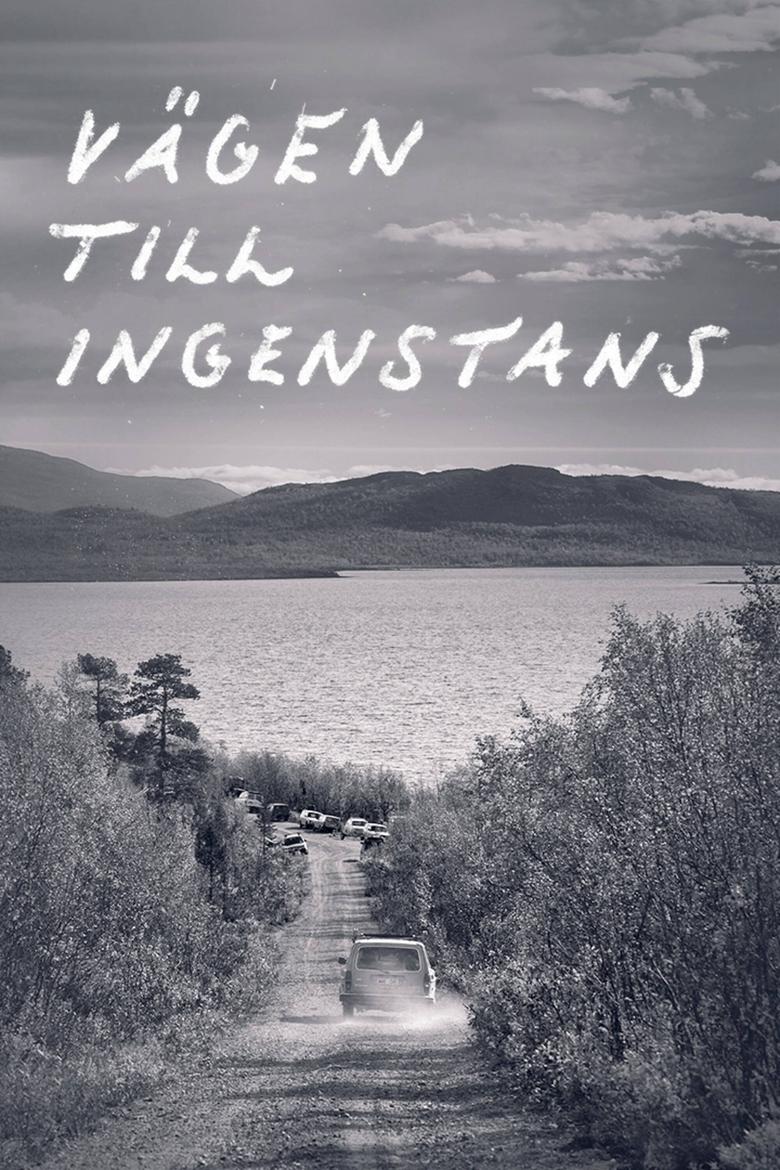
Constructed in 1955 to initially connect Kiruna in Sweden to Altavatn in Norway, the work with the Solitary road was stopped for military reasons. Five small villages had been connected by the road and they were left with a deserted 20 km stretch in the wilderness. Along the road Sami people and finish farmers continue their lives. They still have the road and they have brought really old cars over the ice of Torneträsk so they could drive during summer time. One of the old men that built the road, Sven-Erik Stöckel, writes a letter to the politicians in Kiruna, asking them to finish the road so people do not have to risk their lives getting to the road crossing the dangerous lake of Torneträsk. Will it ever be finished? And what happened to the children that were born as a result of the road workers coming into the wilderness meeting the local girls?
Overall Score
Good
Category Breakdown
LGBTQ+ Representation
The film lacks explicit depictions of LGBTQ+ identities or non-heteronormative relationships. The narrative focuses primarily on the historical interactions between road workers and local residents.
Gender Representation
Female agency is present through the mention of local girls and the generational impact of the workers. However, the central historical conflict remains largely male-centric, driven by workers and elderly figures.
Racial & Ethnic Diversity
The documentary provides high levels of representation by centering Sami people within the landscape. It disrupts wilderness tropes by framing the land as an inhabited, contested space alongside Finnish farmers.
Religious & Cultural Diversity
The film explores the tension between state interests and local survival. It critiques how centralized political decisions and military interests can disrupt traditional ways of life and institutional neglect.
Disability Representation
There is no mention of characters or individuals navigating physical, neurodivergent, or mental health disabilities within the narrative.
Strengths
Areas for Improvement
AI Analysis
Solitary Road succeeds as an ethnographic study that prioritizes indigenous and local voices over state-driven histories. By centering the Sami people, the film avoids the common mistake of treating the wilderness as an empty space, instead presenting it as a lived-in environment. The documentary effectively highlights the human consequences of political abandonment and military interference. It connects historical infrastructure decisions to the ongoing struggles of the people living in these remote villages. However, the film's diversity is uneven. While it excels in ethnic and cultural representation, it lacks visibility regarding LGBTQ+ identities and disability, focusing instead on a more traditional historical and generational framework.
2010
2014

2013
2019
2010
1999
2010

2019
2014
2015

2009

2020
No reviews yet. Be the first to share your thoughts on this movie!
Use the rating form above to leave a star rating and optional review.