Cool World
1992
No user ratings available yet
Representation score: 5.7 out of 10
Representation Score
Good
1988
PGDirector
Robert Zemeckis
Runtime
104 minutes
Average Rating
No ratings yetNew Showbiz Analysis
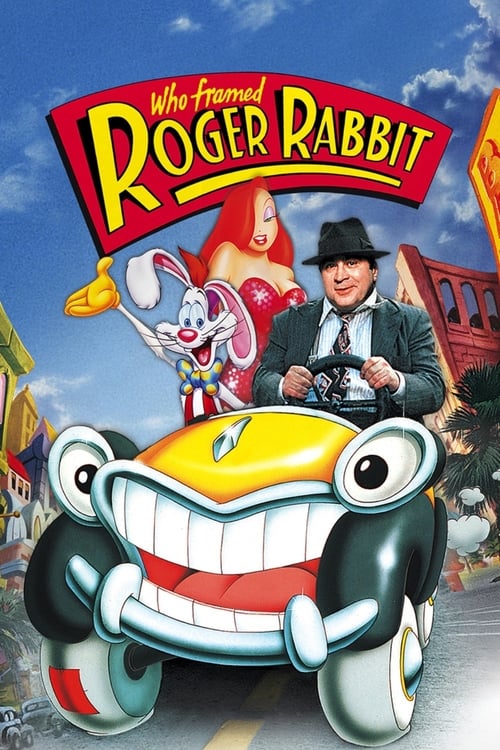
Who Framed Roger Rabbit is a genre-defying film that uses its animated characters to explore profound social issues. Despite its 1940s setting, the film's narrative structure offers a progressive perspective. The film effectively uses the Toon community as a metaphor for underrepresented groups dealing with systemic oppression. This metaphor allows for a sophisticated critique of power structures and capitalist greed. However, the film sticks to traditional assumptions about straight relationships and lacks characters with non-conforming gender identities. It also relies on noir clichés to depict character trauma and mental health issues.
Category Breakdown
The film adheres to traditional assumptions about straight relationships and lacks characters with non-conforming gender identities. It does not challenge conventional relationship dynamics.
Jessica Rabbit challenges the femme fatale stereotype by showing her loyalty to Roger. The film passes the Bechdel test through conversations between Jessica and Dolores.
The Toon community serves as a symbolic representation of various underrepresented groups facing systemic oppression. While the human characters are mostly white, the Toons represent diverse, non-Anglo-Saxon identities.
The story criticizes capitalist expansion and corrupt institutions through Judge Doom's actions. It portrays authority and legal structures as inherently flawed.
There is no direct representation of neurodivergence or physical disabilities. Eddie Valiant’s psychological trauma and alcoholism are shown, but primarily through noir conventions.
Present on Screen
Limited or Absent
Official Synopsis
Toon star Roger is worried that his wife Jessica is playing pattycake with someone else, so the studio hires detective Eddie Valiant to snoop on her. But the stakes are quickly raised when Marvin Acme is found dead and Roger is the prime suspect.
1992
1988
2008
2002

1996
1981
1990
1978
No reviews yet. Be the first to share your thoughts on this movie!
Use the rating form above to leave a star rating and optional review.