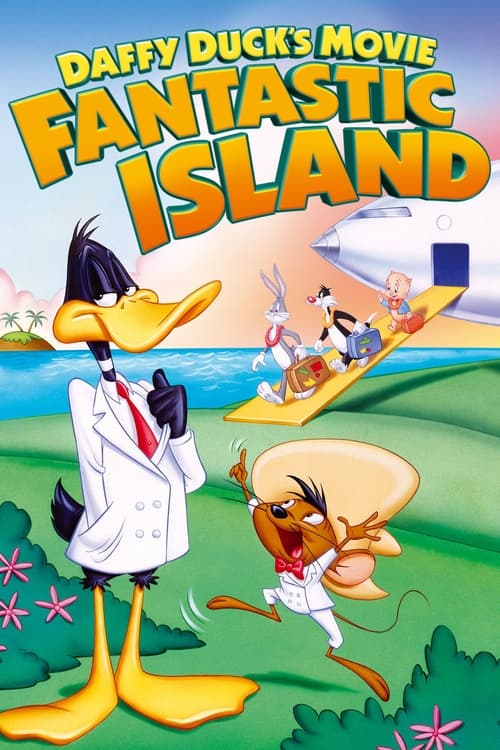
Daffy Duck's Movie: Fantastic Island
1983
No user ratings available yet
Representation score: 3.9 out of 10
Representation Score
Limited
1988
GDirector
Chuck Jones, Greg Ford, Terry Lennon, Robert McKimson, Friz Freleng
Runtime
72 minutes
Average Rating
No ratings yetNew Showbiz Analysis
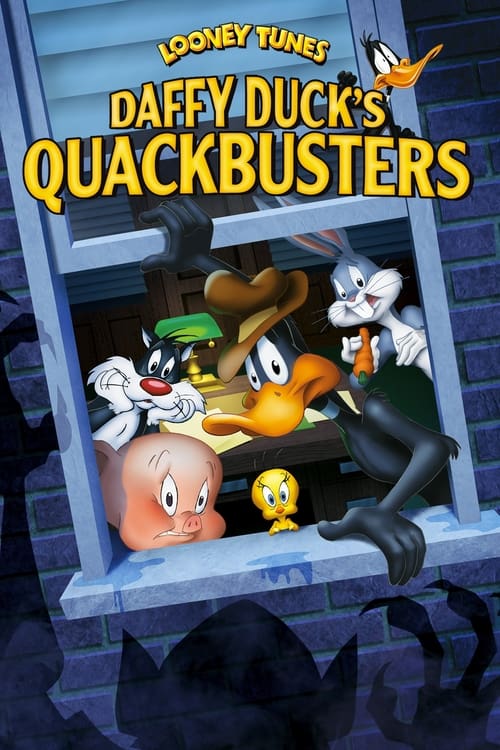
Daffy Duck's Quackbusters preserves the legacy of mid-century animation rather than serving as a platform for modern social commentary. The film relies on traditional comedic archetypes that emphasize slapstick humor over diverse representation. The cast is predominantly male-coded, limiting opportunities for challenging traditional gender roles or diverse representation. Since the characters are anthropomorphic animals, the film avoids human racial or ethnic descriptors. Overall, the work adheres to a traditional framework, celebrating classic cartoon clichés without addressing contemporary social norms or diverse identities.
Category Breakdown
The film features only anthropomorphic animal characters and does not depict any non-straight or non-cisgender identities or same-sex relationships.
The main characters are mostly male-coded, including Daffy, Bugs, Porky, and Sylvester. The lack of female characters means there is no challenge to traditional gender roles.
The cast is uniform, focusing on species-based differences rather than human racial or ethnic diversity. The film exists in a cartoon world without human racial descriptors.
Supernatural elements are used for slapstick humor rather than spiritual significance. Standard comedy clichés like wills and wealth are employed for laughs.
There is no depiction of physical or neurodevelopmental disabilities. Mishaps are shown as slapstick humor rather than meaningful representations of disability.
Present on Screen
Limited or Absent
Official Synopsis
In this feature-length film combining footage from classic Warner Brothers cartoon shorts with newly animated bridging sequences, Daffy Duck, after having induced laughter in an ailing millionaire and forestalled the millionaire's death for a time (as chronicled in Daffy Dilly (1948), is the beneficiary for the deceased millionaire's assets. But the millionaire's will clearly stipulates that Daffy must use the money for the common good, by providing a service, and should Daffy think of pursuing selfish aims, the millionaire's ghost will "repossess" his millions by making them disappear from Earthly existence. Under the pretense of community service, Daffy opens an exorcism agency and employs Porky Pig, Sylvester Cat, and Bugs Bunny to track and eliminate ghosts, ghouls, and other monsters, while Daffy secretly schemes to use his learned "ghost-busting" talents to rid himself of the millionaire's nagging spirit.
1983
1981
2000
2002
2003
2002
1982

1979
No reviews yet. Be the first to share your thoughts on this movie!
Use the rating form above to leave a star rating and optional review.