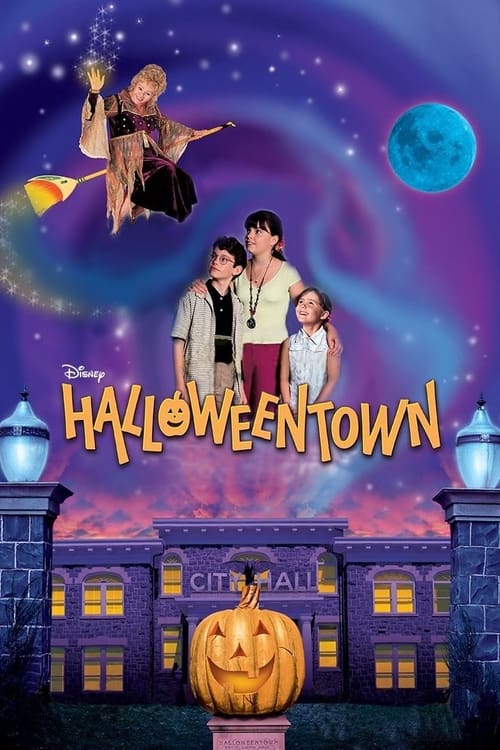
Halloweentown
1998
No user ratings available yet
Representation score: 6.0 out of 10
Representation Score
Fair
1999
TV-GDirector
Duwayne Dunham
Runtime
95 minutes
Average Rating
No ratings yetNew Showbiz Analysis
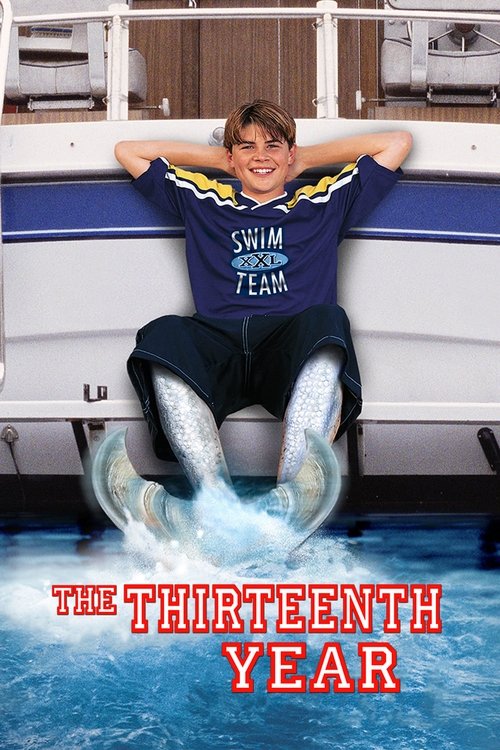
The film stands out for its significant racial representation, placing a Black teenager at the center of a high-concept fantasy. This was a notable shift from the mainstream casting practices of the late 1990s, offering cultural specificity through its urban setting. However, the film remains traditional in its social and moral outlook. It adheres to standard developmental milestones and conventional gender roles, offering little exploration of queer identity or systemic critique. While the protagonist's physical changes provide a sense of 'otherness,' the film treats these changes through magical fantasy clichés rather than a nuanced study of disability or personal ability to act.
Category Breakdown
The film does not include any LGBTQ+ characters or explore non-straight identities. It follows a typical coming-of-age storyline focused on heterosexual relationships.
The story centers around a male protagonist going through adolescence. It maintains traditional family dynamics without challenging conventional gender roles.
The film features an African American protagonist and a predominantly Black cast. This breaks away from Eurocentric stereotypes by placing a Black teenager in a high-concept hero role.
The narrative stays within a traditional family framework, emphasizing stability and parental guidance. It does not question Western institutions or the nuclear family structure.
The protagonist's physical changes serve as a metaphor for puberty. These changes are used as magical plot devices rather than exploring disabilities or personal ability to act.
Present on Screen
Limited or Absent
Official Synopsis
A teen learns that his birth mother is a mermaid after he begins to grow fins and slimy scales on his thirteenth birthday.
1998
1999
1996
1988
2001

2013
2004
2021
No reviews yet. Be the first to share your thoughts on this movie!
Use the rating form above to leave a star rating and optional review.