
Free Willy 3: The Rescue
1997
No user ratings available yet
Representation score: 1.5 out of 10
Representation Score
Limited
1996
PGDirector
Alan Shapiro
Runtime
95 minutes
Average Rating
No ratings yetNew Showbiz Analysis
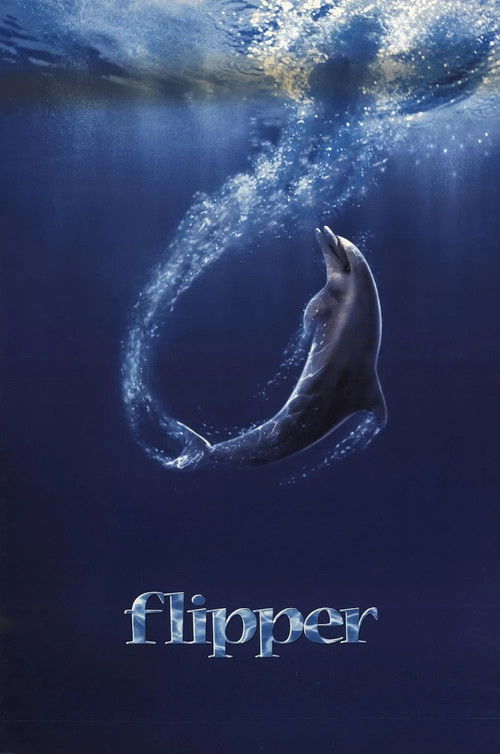
Flipper (1996) stands out for its inclusive casting, particularly by featuring a Black child as the central protagonist. This choice breaks from the traditionally white-focused 'boy and his animal' genre. However, the film maintains traditional social structures, with gender dynamics favoring men's control over the story and a lack of LGBTQ+ or disability representation. Despite offering a critique of commercialism versus environmentalism, the film does not explore deeper systemic or identity-based issues.
Category Breakdown
The film does not include any LGBTQ+ characters or narratives. Relationships and interactions center around a traditional family structure and the protagonist's connection to nature.
The story focuses on the bond between Sandy and his uncle, emphasizing traditional masculinity. Female characters are primarily portrayed in supportive or domestic roles within a conventional setting.
Casting a Black child as the main character challenges the typical 'boy and his animal' genre. A diverse coastal community adds to the narrative's inclusivity.
The narrative highlights the conflict between environmental protection and commercial expansion. It frames this tension through a traditional heroic perspective rather than a critical examination of systemic issues.
The film does not feature any prominent characters with visible or invisible disabilities. There are no characters with disabilities that significantly influence the plot.
Present on Screen
Limited or Absent
Official Synopsis
Sandy Ricks is sent by his mom to Coral Key, a rustic island in the Florida keys, to spend the summer with his uncle Porter Ricks. Sandy dislikes everything about his new environment until a new friend comes into his life, a dolphin named Flipper, that brings uncle and nephew together and leads Sandy on the summer adventure of a lifetime.
1997

1979

2010

2019

1994

2005

2013
1960
No reviews yet. Be the first to share your thoughts on this movie!
Use the rating form above to leave a star rating and optional review.