The Town Rat and the Country Rat
1927
No user ratings available yet
Representation score: 0.9 out of 10
Representation Score
Minimal
1912
Not RatedDirector
Władysław Starewicz
Runtime
13 minutes
Average Rating
No ratings yetNew Showbiz Analysis
The film stands out as a technical marvel in stop-motion animation, yet its narrative is deeply rooted in early 20th-century social structures. By using insects to mirror human drama, it replicates traditional straight-centered and gendered conflicts without offering modern perspectives that reflect multiple aspects of identity. The story relies on established clichés of infidelity and marital jealousy. While the use of anthropomorphism adds a surreal layer, the underlying themes remain centered on conventional domestic hierarchies and reactionary male responses to perceived betrayal.
Category Breakdown
The film focuses solely on a heterosexual relationship conflict. There is no indication of any queer subtext or non-cisgender identities among the insect characters.
The story relies on traditional clichés of the betrayed husband and unfaithful wife. Although the female character initiates the affair, the plot centers on the male character's jealous reaction.
Since the cast consists entirely of insect specimens, there are no human racial or ethnic markers in the film. It does not address human social stratification.
The story presents domestic dysfunction through a fable-like lens rather than a critique of institutions. It focuses on individual jealousy rather than broader social or religious issues.
The insect characters serve as archetypes of human emotion. There are no visible or invisible disabilities depicted within the characters.
Present on Screen
Limited or Absent
Official Synopsis
A jilted husband takes his revenge by filming his wife and her lover and showing the result at the local cinema.
1927
1931
1912

1912
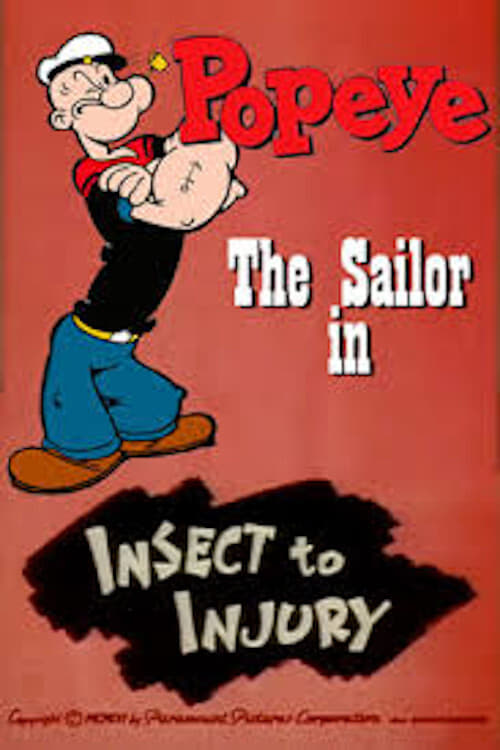
1956
1972
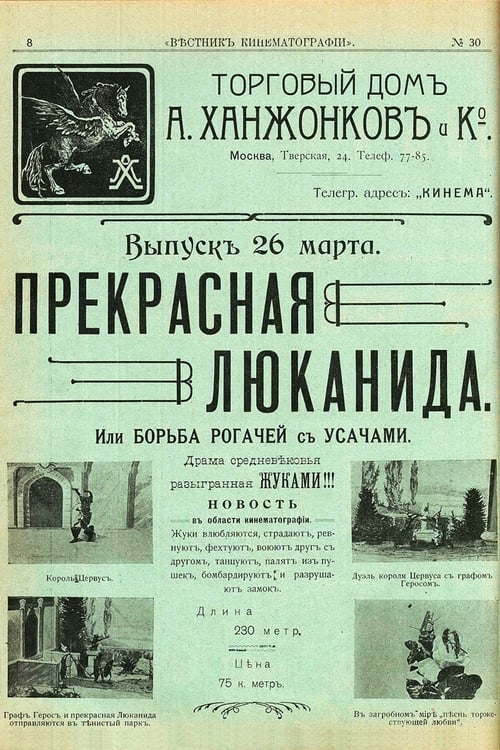
1912
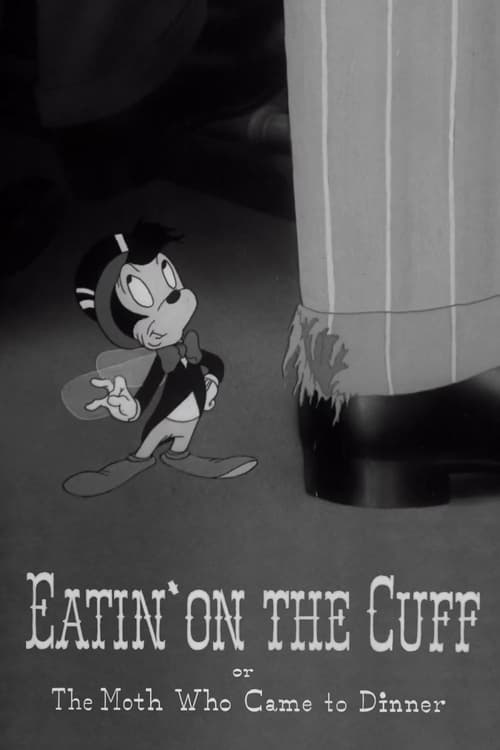
1942
No reviews yet. Be the first to share your thoughts on this movie!
Use the rating form above to leave a star rating and optional review.