
Scared Stiff
1945
No user ratings available yet
Representation score: 1.4 out of 10

Representation Score
Minimal
1949
ApprovedDirector
Charles Barton
Runtime
84 minutes
Average Rating
No ratings yetNew Showbiz Analysis
This 1949 horror-comedy functions as a genre-blending exercise that prioritizes escapist slapstick over social depth. The narrative structure relies on established archetypes that reinforce the mid-century studio system's traditional hierarchies. The film lacks intentionality regarding diverse representation, instead maintaining the socio-cultural status quo of its era. Character dynamics are driven by comedic clichés rather than nuanced identity portrayals. While the crossover with Boris Karloff adds genre tension, the social landscape remains homogeneous and conventional.
Category Breakdown
The film does not include any visible LGBTQ+ characters or non-cisgender identities. The story revolves around a heterosexual comedic duo and the central mystery figures.
The story centers on the male Abbott and Costello duo, reinforcing traditional mid-century hierarchies. Female characters have limited, conventional roles that do not challenge masculine dominance.
Casting remains largely homogeneous, reflecting 1949 cinematic norms. The character Swami Talpur uses exoticism as a comedic plot device rather than providing nuanced depth or a significant role.
The film operates within a traditional Western framework of justice and mystery-solving. It lacks systemic critiques or engagement with non-Western perspectives.
Meaningful representation of neurodivergence is absent. The character Freddie Phillips relies on a dim-witted archetype used primarily as a vehicle for slapstick comedy.
Present on Screen
Limited or Absent
Official Synopsis
Lost Caverns Resort Hotel bellhop Freddie Phillips gives an empty threat to one attorney Amos Strickland, and is shortly fired. When Freddie visits his guest's suite to apologize, he finds Strickland dead of a gunshot wound. As the investigators file in, Freddie becomes the scapegoat of the guests in the hotel, who all had a bone to pick with Strickland. It's now up to Freddie and Detective Casey Edwards to find out who the real killer is, all the while avoiding the many vigorous and violent villains staying at the resort.
1945
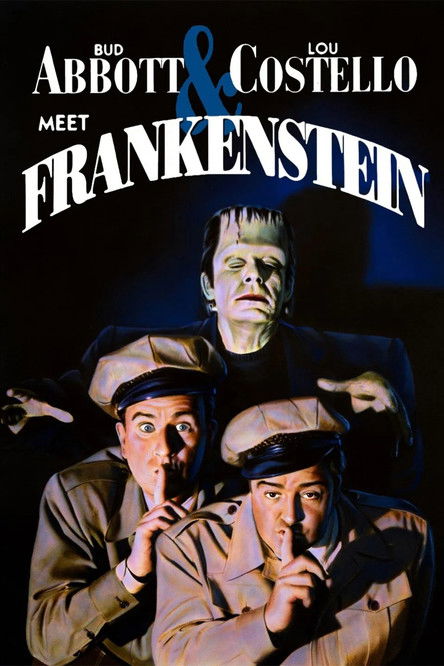
1948
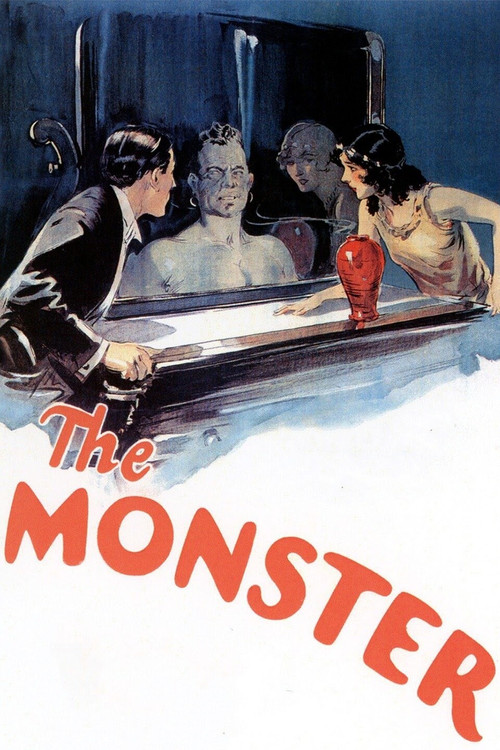
1925
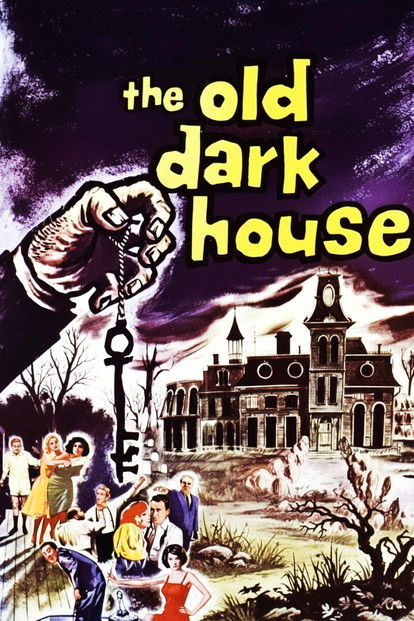
1964
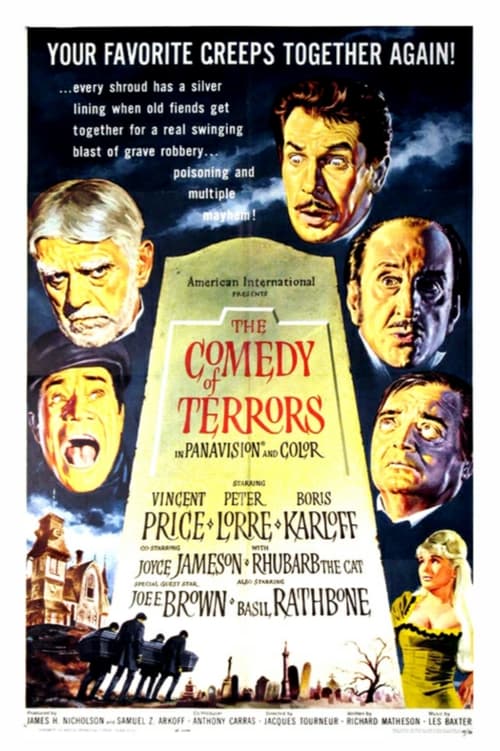
1963

1951
1940
1966
No reviews yet. Be the first to share your thoughts on this movie!
Use the rating form above to leave a star rating and optional review.