
Spoiled Brats
2021
No user ratings available yet
Representation score: 7.0 out of 10
Representation Score
Good
2013
PG-13Director
Gary Alazraki
Runtime
108 minutes
Average Rating
No ratings yetNew Showbiz Analysis
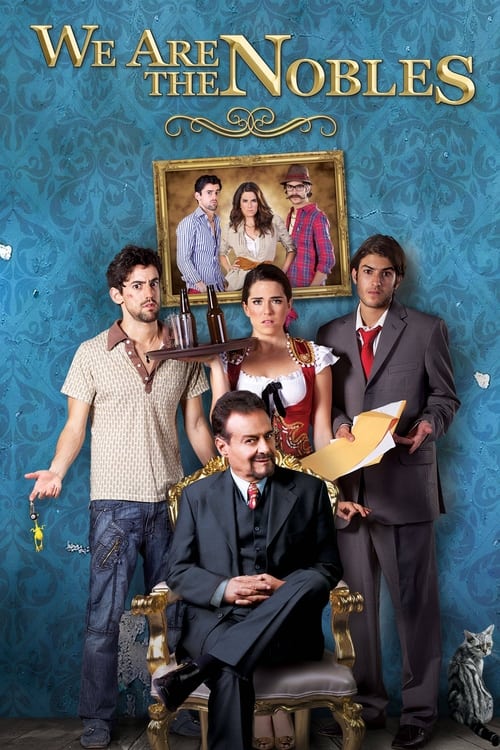
We Are the Nobles is a social satire that prioritizes class critique over demographic variety. It successfully provides a localized Mexican perspective that challenges the bubble of unearned privilege and capitalist excess. However, the film lacks depth in representing LGBTQ+ identities or disability. The narrative remains centered on a straight-centered, able-bodied framework that focuses almost exclusively on the transition from wealth to poverty. While gender representation is moderate through the lens of shared socioeconomic struggle, the film does not actively work to subvert traditional masculine or feminine roles.
Category Breakdown
The film does not feature any prominent LGBTQ+ characters or storylines. Instead, it centers on socioeconomic changes and family dynamics within a straight-centered context.
Female characters face the same socioeconomic challenges as their male counterparts. They play a significant role through manual labor, but the film relies on the 'spoiled youth' cliché rather than challenging traditional gender roles.
As a Mexican production, the film provides a localized perspective on internal social stratifications. It avoids a monolithic view of Mexican identity by highlighting the divide between the elite and working classes.
The story critiques capitalist excess and the insulation of the wealthy. It deconstructs the family's social standing, using their transition to manual labor to challenge existing socioeconomic hierarchies.
The film does not focus on visible or invisible disabilities. Characters are defined by their socioeconomic status and survival struggles rather than neurodivergence or physical disability.
Present on Screen
Limited or Absent
Official Synopsis
Tells the "riches to rags" story of the Nobles, three upper-class twenty-somethings that appear to have no limits to their checkbooks, and no direction in their lives. Until one day, their father tries to teach them a lesson by staging a financial scandal that forces the whole family to escape to an old house in the poor side of town, and leads the "kids" to do what they haven't done before: get jobs.
2021
1986

2016

1995

2011
2019
2006

2013
No reviews yet. Be the first to share your thoughts on this movie!
Use the rating form above to leave a star rating and optional review.