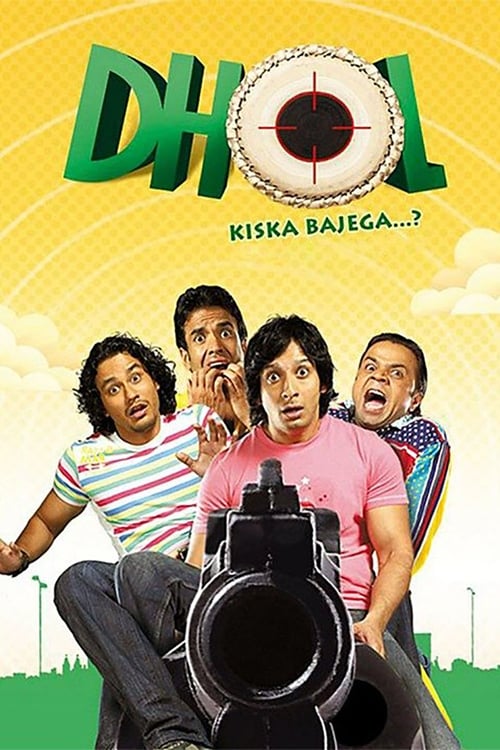
Dhol
2007
No user ratings available yet
Representation score: 2.5 out of 10

Representation Score
Fair
2011
Director
Remo D'Souza
Runtime
120 minutes
Average Rating
No ratings yetNew Showbiz Analysis
F.A.L.T.U. functions as a standard comedy centered on youthful rebellion. The protagonists reject traditional adulthood and institutional legitimacy through creating a fake university. While the film offers a light critique of institutional rigidity, it lacks complexity in addressing underrepresented identities or systemic hierarchies. Ultimately, it operates within established social norms, emphasizing cultural specificity and comedic clichés over nuanced social commentary.
Category Breakdown
The film follows traditional heterosexual structures, with romantic arcs focused on male-female relationships. There are no queer narratives or non-conforming gender identities.
Male characters have significant roles in driving the story, while females mostly follow traditional gender roles and lack substantial narrative influence.
The cast is predominantly Indian, reflecting a specific cultural context without introducing external racial hierarchies or whitewashing.
The story challenges traditional institutions by depicting the creation of a fake university as a rebellious act. Peer loyalty is emphasized over established social structures.
The film does not address neurodivergence, physical disabilities, or chronic illnesses. Characters are portrayed as typically able-bodied.
Present on Screen
Limited or Absent
Official Synopsis
Three loser friends create a fake university to avoid working for their parents.
2007
2010

2016

2008
2013
2006

2009
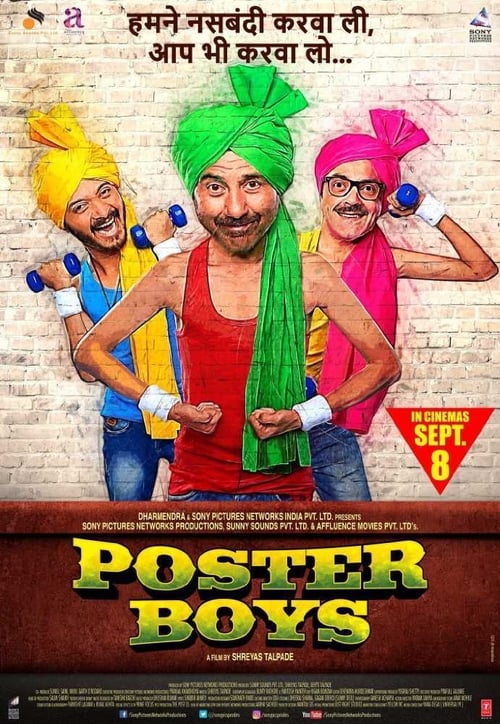
2017
No reviews yet. Be the first to share your thoughts on this movie!
Use the rating form above to leave a star rating and optional review.