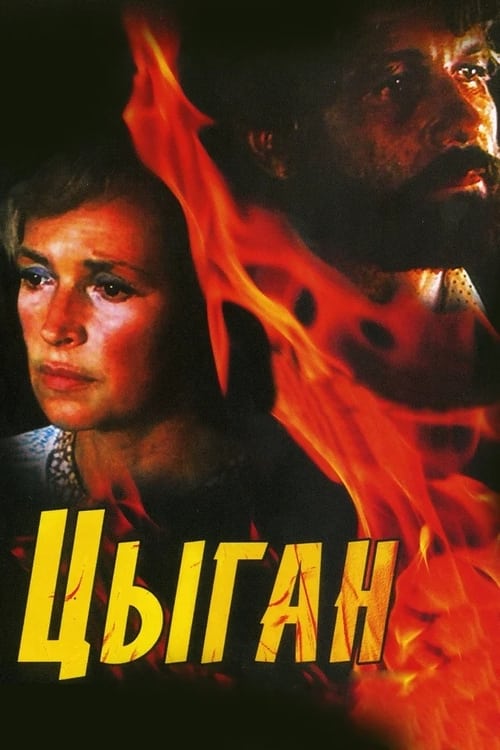
Gypsy
1980
No user ratings available yet
Representation score: 3.1 out of 10
Representation Score
Fair
1986
Director
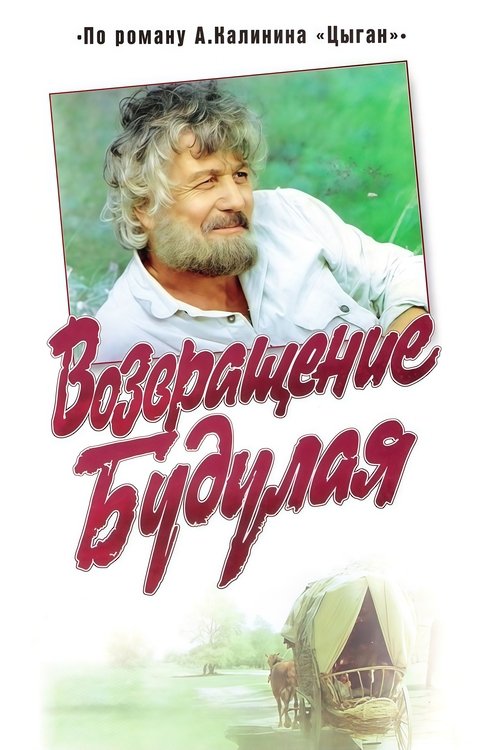
Aleksandr Blank
Runtime
300 minutes
Average Rating
No ratings yetNew Showbiz Analysis
Return of Budulai functions as a romanticized epic that emphasizes ethnic specificity. By focusing on Romani culture, the film moves away from Western-centric narratives, offering a more diverse cultural landscape compared to many contemporary productions. However, the film adheres to traditional social structures. While women play significant emotional roles, the narrative does not challenge gender hierarchies or explore the complexities of multiple identities. Ultimately, the work reflects its era, providing meaningful ethnic representation while maintaining the conservative romantic archetypes typical of Soviet-era genre filmmaking.
Category Breakdown
The film does not depict any non-straight or non-cisgender identities or same-sex relationships. It follows traditional heterosexual romantic frameworks similar to its predecessor.
Female characters have significant emotional influence on the protagonist's journey. However, they mostly follow traditional romantic clichés and established gender roles.
The story focuses on Romani culture and its interactions with other social groups. This emphasis on non-Anglo-Saxon identities offers meaningful representation for the time period.
The narrative highlights themes of loyalty and collective identity within the Soviet cinematic tradition. It prioritizes social belonging over Western individualistic ideals.
There is no documented evidence regarding the portrayal of physical or neurodivergent disabilities in this film.
Present on Screen
Limited or Absent
Official Synopsis
A continuation of a saga about Budulai started in "Gypsy" (1979).
1980
1980
1981
1976
1980
1971
1971
2001
No reviews yet. Be the first to share your thoughts on this movie!
Use the rating form above to leave a star rating and optional review.