The Undertaker and His Pals
1966
No user ratings available yet
Diversity score: 2.8 out of 10
2017
RDirector
Benjamin R. Dover
Runtime
12 minutes
Average Rating
No ratings yetSynopsis
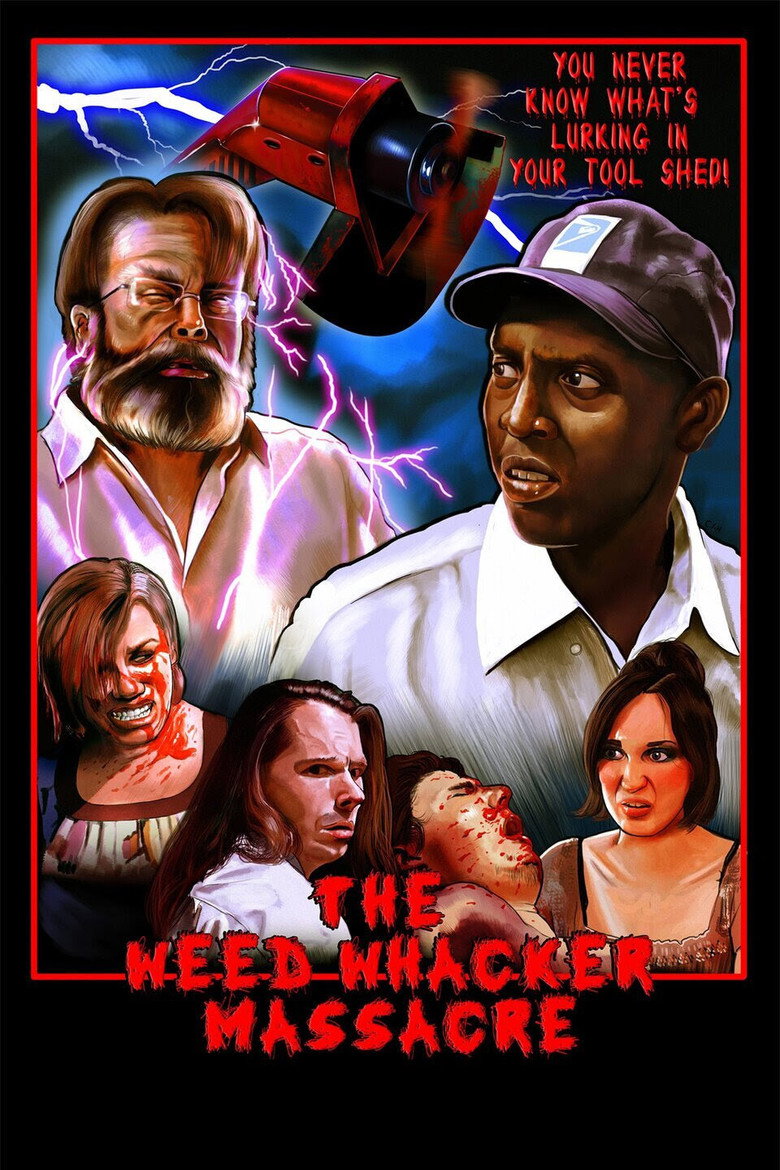
Mr. Thurman, the neighborhood grumpy old man, is tired of the Home Owners Association telling him how to cut his grass. After a call from the HOA, He gets into a brooding rage and goes outside to cut his grass. After getting wet from sweat cutting his grass. He plugs in his weed whacker and gets shocked to death. His soul is transferred to the weed whacker and goes on a neighborhood killing spree. After killing some people he returns back to his house. Dale the mail man, An average Joe, who saw the weed whacker killing a couple, drops off some mail for Mr. Thurman. Mr. Thurman as the weed whacker returns home and Dale and him have a battle to the death.
Overall Score
Limited
Category Breakdown
LGBTQ+ Representation
The film lacks LGBTQ+ characters or narratives addressing non-cisnormative identities. The plot focuses entirely on a traditional conflict between a homeowner and his neighborhood association.
Gender Representation
The story centers on exaggerated masculine archetypes, specifically a grumpy old man and a male mailman. There is a notable absence of female agency or gender-diverse roles.
Racial & Ethnic Diversity
The setting appears culturally monolithic, featuring a homogeneous neighborhood. There is no indication of a multi-ethnic cast or the integration of diverse racial identities.
Religious & Cultural Diversity
The film critiques local institutional control through a comedic lens regarding the HOA. However, it relies on individualist frustration rather than a systemic social critique.
Disability Representation
No characters with visible or invisible disabilities are present. The supernatural soul transfer serves as a genre device rather than a representation of disability.
Strengths
Areas for Improvement
AI Analysis
The Weed Whacker Massacre operates within the narrow confines of low-budget horror-comedy, prioritizing slapstick tropes over social depth. The narrative relies heavily on traditional, homogeneous character archetypes that lack intersectional complexity. By focusing on a singular, male-driven conflict, the film reinforces conventional demographic patterns. It avoids any meaningful engagement with diverse identities, opting instead for a localized suburban setting that feels culturally monolithic. Ultimately, the film functions as a standard genre piece. It lacks the intentionality required to subvert social hierarchies or provide representation for marginalized groups.
1966
1990
2012

2011
2013
1982
2011
2008
1967
1986

2008
2018
No reviews yet. Be the first to share your thoughts on this movie!
Use the rating form above to leave a star rating and optional review.