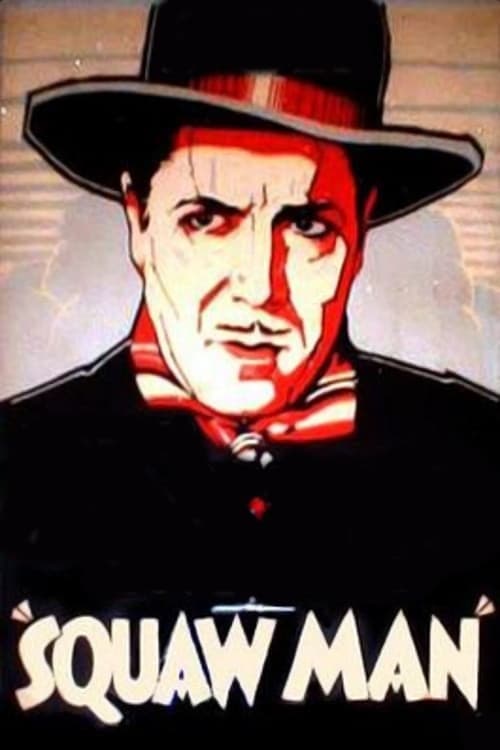
The Squaw Man
1931
No user ratings available yet
Representation score: 1.3 out of 10
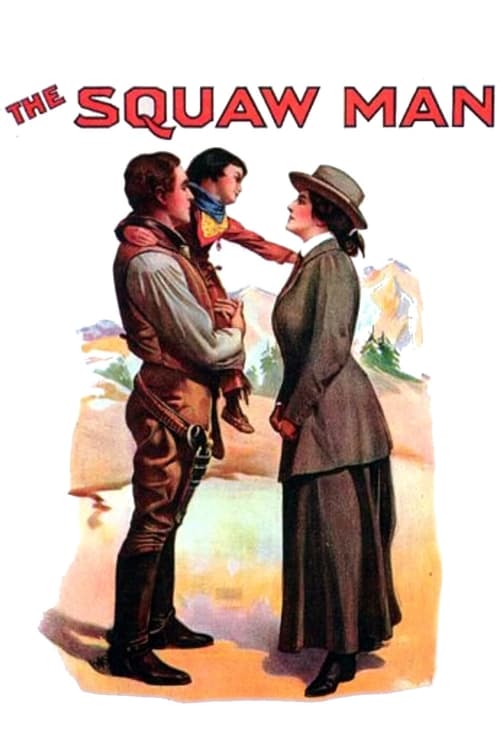
Representation Score
Limited
1914
NRDirector
Cecil B. DeMille, Oscar Apfel
Runtime
74 minutes
Average Rating
No ratings yetNew Showbiz Analysis
The Squaw Man is a period-specific melodrama that reflects the social hierarchies of the early 20th century. While it introduces an interracial relationship, it does not challenge the existing power structures. The film uses underrepresented identities mainly to advance the male protagonist's journey. The narrative structure stays rooted in traditional storytelling, often portraying non-Western characters through romanticized stereotypes.
Category Breakdown
The film does not include any LGBTQ+ characters or representations of non-straight relationships. The plot focuses on a traditional romance between a male and a female lead.
The story centers around the male experience, particularly Captain James Wynnegate's social challenges. Although Nat-U-Rich is a key figure, the film follows conventional gender roles.
The film includes a relationship between a white man and a Native American woman. However, it relies on the 'noble savage' stereotype rather than showing the Native American woman as an independent person.
The story emphasizes Western social norms and contrasts civilization with wilderness. It upholds traditional Western values and the importance of social status.
The film does not focus on physical or neurological disabilities in its main characters.
Present on Screen
Limited or Absent
Official Synopsis
To save his family from disgrace, Capt. James Wynnegate takes the blame when his brother, Sir Henry, embezzles from a charitable fund. Relocating to America, James purchases a ranch in Wyoming and marries Nat-u-ritch, an indigenous woman. After the birth of the couple's son, James is startled by the arrival of Lady Diana, his brother's wife, who informs him that the nefarious Henry is dead.
1931

1930
1926
1928
1926
1927
1933
1931
No reviews yet. Be the first to share your thoughts on this movie!
Use the rating form above to leave a star rating and optional review.