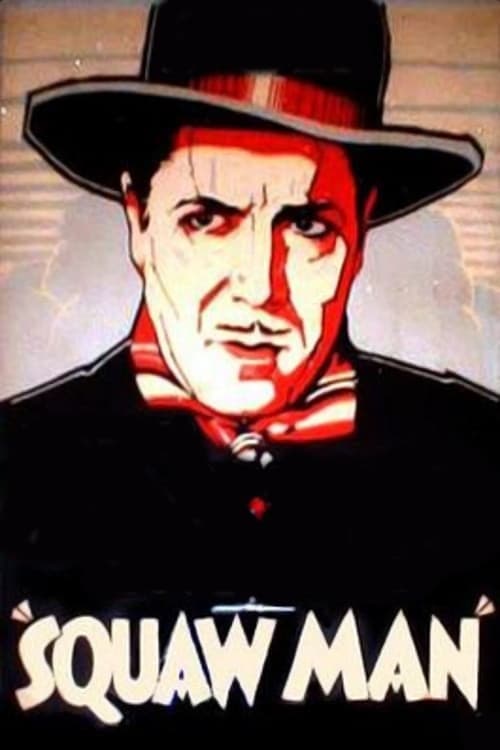
The Squaw Man
1931
No user ratings available yet
Representation score: 1.3 out of 10
Representation Score
Minimal
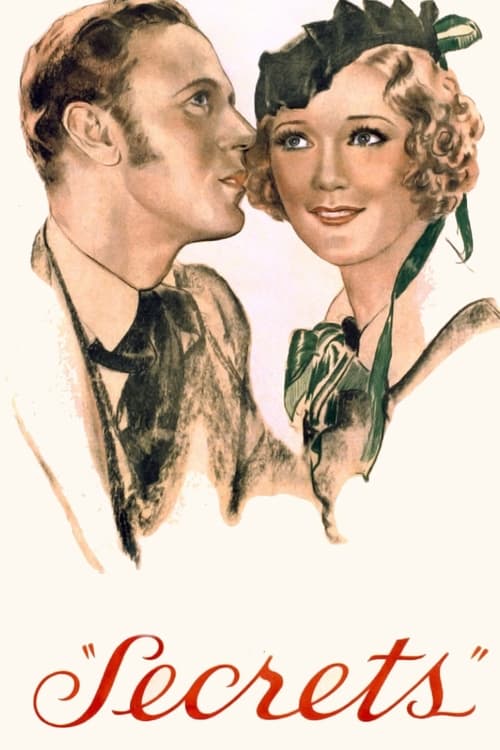
1933
NRDirector
Frank Borzage
Runtime
83 minutes
Average Rating
No ratings yetNew Showbiz Analysis
Secrets is a character study of romantic idealism that remains tied to the social and racial hierarchies of its era. While it offers a degree of women's ability to drive the story through Mary Marlowe's defiance of patriarchal authority, the film's scope is narrow. The narrative focuses heavily on the white settler experience and conventional marital clichés. It prioritizes individual emotional arcs and the pursuit of fortune over any meaningful deconstruction of systemic power dynamics. Ultimately, the film reflects the standard social norms of 1930s cinema, providing a moderate look at gendered ability to act while lacking racial, cultural, or LGBTQ+ depth.
Category Breakdown
The film strictly follows the assumption that everyone is straight or cisgender, typical of the early 1930s. There are no narratives or identities that challenge traditional romantic pairings.
Mary Marlowe provides meaningful representation by defying her father to pursue her own romantic path. Her role in family survival offers a degree of ability to act beyond submissive archetypes.
The cast is predominantly white, focusing on the white settler experience in the 1860s West. There is no evidence of significant racial blending or non-white ability to act.
The story operates within a framework emphasizing social respectability and individual morality. It highlights domestic stability without critiquing Western institutions or secularism.
There is no evidence of characters with visible or invisible disabilities serving as central plot devices or being depicted with specific ability to act.
Present on Screen
Limited or Absent
Official Synopsis
In the 1860s, Mary Marlowe defies her father's wishes to marry a British lord and runs away with clerk John Carlton as he heads West to make his fortune. Mary and John endure the difficult journey and settle into a small cabin, then face the hostilities of a cattle rustling gang, as well as the tragic loss of their only son. With Mary's help, John defeats the gang, which propels him to political power that, over the years, gradually erodes the once-happy marriage.
1931
1930
1914
1928

1924
1940
1927
2014
No reviews yet. Be the first to share your thoughts on this movie!
Use the rating form above to leave a star rating and optional review.