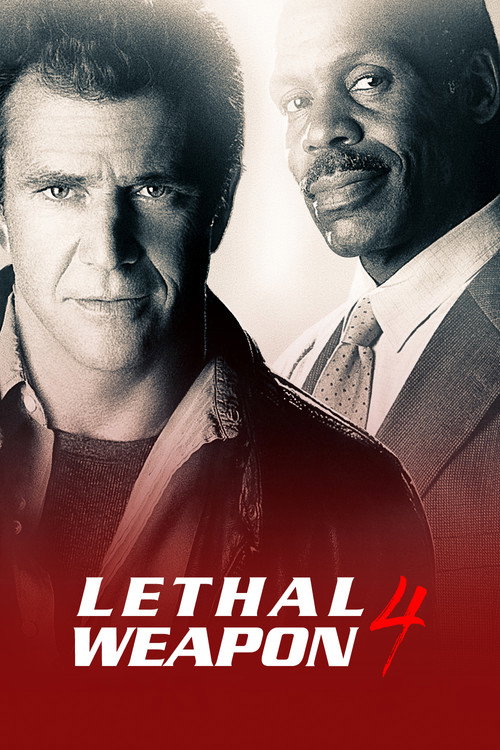
Lethal Weapon 4
1998
No user ratings available yet
Representation score: 0.8 out of 10
Representation Score
Minimal
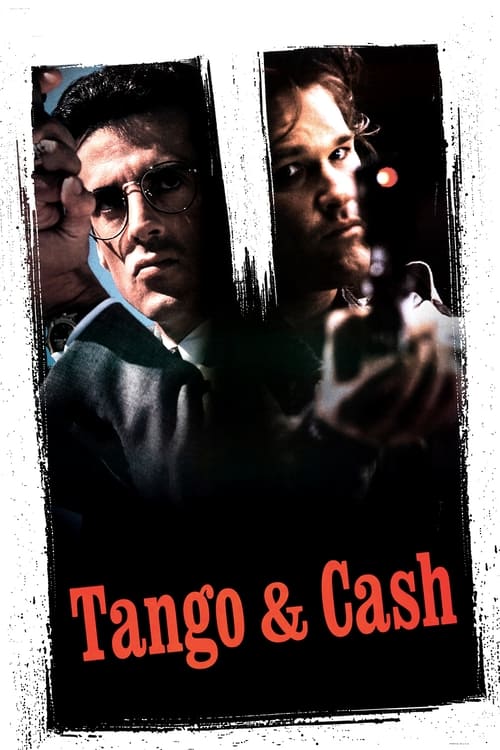
1989
RDirector
Andrei Konchalovsky
Runtime
104 minutes
Average Rating
No ratings yetNew Showbiz Analysis
Tango & Cash is a quintessential product of its era, prioritizing genre clichés over diverse representation. The film's structure is built upon traditional masculine hierarchies and a homogeneous demographic profile. The narrative relies on the 'buddy cop' framework, which reinforces established social norms rather than challenging them. While the protagonists' vigilantism introduces moral ambiguity, it serves as a stylistic element rather than a systemic critique. Ultimately, the film functions as a commercial vehicle that avoids complex social or psychological themes in favor of conventional power dynamics.
Category Breakdown
The film does not include any LGBTQ+ identities or subtext. It strictly follows straight-centered structures without depicting same-sex relationships.
The story centers on hyper-masculine archetypes and male camaraderie. Female characters serve as secondary, reactive figures lacking significant control over the plot.
Casting reflects the demographic homogeneity of late-1980s action cinema. The predominantly white cast maintains power dynamics centered on a singular demographic.
The narrative operates within a Western capitalist framework. While it avoids religious dogma, it utilizes vigilantism as a standard hero cliché.
There is no representation of visible or invisible disabilities. Characters are defined by the physical peak performance typical of action genres.
Present on Screen
Limited or Absent
Official Synopsis
Ray Tango and Gabriel Cash are two successful narcotics detectives who can't stand each other. Crime lord Yves Perret, furious at the loss of income they have caused him, plots an elaborate revenge against them.
1998
1990
1982
1990

1987
1986

1992
1987
No reviews yet. Be the first to share your thoughts on this movie!
Use the rating form above to leave a star rating and optional review.