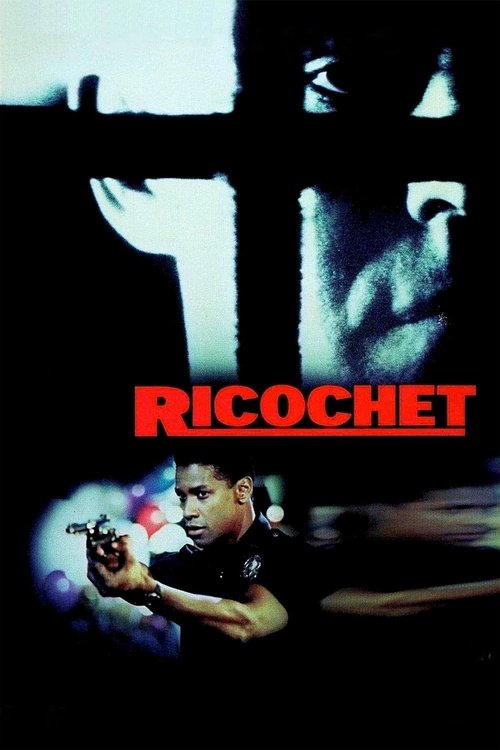
Ricochet
1991
No user ratings available yet
Representation score: 4.3 out of 10
Representation Score
Minimal
1990
RDirector
Sidney Lumet
Runtime
132 minutes
Average Rating
No ratings yetNew Showbiz Analysis
Sidney Lumet’s thriller is a sophisticated examination of institutional decay and the fragmentation of truth. It prioritizes a critical look at systemic authority over demographic diversity, providing a nuanced view of how power structures can obstruct justice. While the film lacks significant representation regarding race, gender, and LGBTQ+ identity, it delves deeply into moral relativism. By challenging the cliché of the heroic institution, it presents a cityscape where civic leadership often hinders progress. Ultimately, the work serves as a political and social critique of systemic failure. It trades broad demographic representation for a complex investigation into the conflict between individuals and corrupt institutions.
Category Breakdown
The film does not include any LGBTQ+ characters or explore non-straight relationships. The interpersonal dynamics focus on traditional romantic and professional relationships.
The story centers around a male protagonist who drives the plot within a traditional investigative framework. Female characters play important roles but are often defined by their relationship to the male lead.
The cast mainly features white, urban professionals. While it highlights socioeconomic differences, it does not deeply explore diverse racial backgrounds.
The film effectively critiques established Western institutions, portraying police and civic power structures as inherently corrupt and self-serving.
There is no representation of physical or neurodivergent disabilities among the main characters or supporting cast.
Present on Screen
Limited or Absent
Official Synopsis
A young district attorney seeking to prove a case against a corrupt police detective encounters a former lover and her new protector, a crime boss who refuses to help him.
1991
1997
1985

1985
1986
1985
1988

1981
No reviews yet. Be the first to share your thoughts on this movie!
Use the rating form above to leave a star rating and optional review.