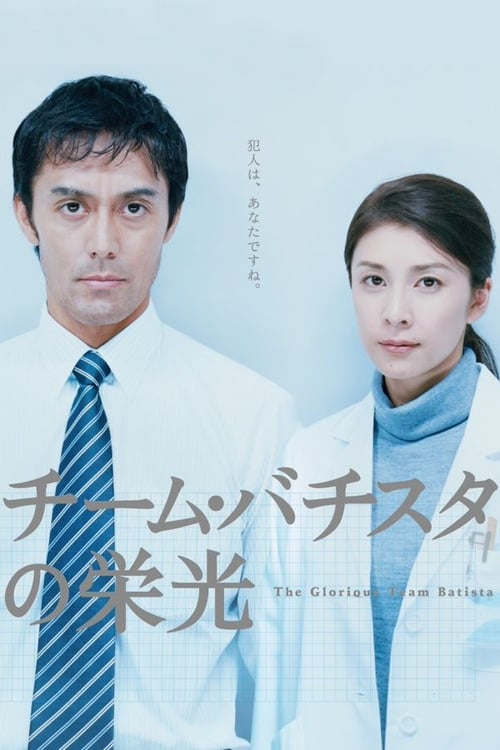
The Glorious Team Batista
2008
No user ratings available yet
Representation score: 7.4 out of 10

Representation Score
Limited
2009
Director
Yoshihiro Nakamura
Runtime
123 minutes
Average Rating
No ratings yetNew Showbiz Analysis
The film functions primarily as a medical mystery that examines the tension between individual integrity and systemic corruption. Its progressive value lies in its skepticism of established hierarchies and its focus on women's ability to drive the story. While the narrative empowers a female lead to navigate a corrupt professional environment, it lacks depth in representing various identities. The story remains largely confined to traditional demographic expectations for its regional context. Ultimately, the work prioritizes institutional critique over social diversity, focusing on the deconstruction of power rather than the representation of underrepresented identities.
Category Breakdown
The film focuses on medical malpractice and professional scandals. There are no visible depictions of non-straight or non-cisgender identities, nor any narratives addressing assumptions about everyone being straight or cisgender.
Dr. Kimiko Taguichi serves as the central protagonist, navigating a male-dominated medical landscape. She subverts traditional patriarchal hierarchies by taking a leading role in investigating a scandal involving male leadership.
The production appears to be a homogeneous Japanese work. It does not utilize diverse ethnic casting or race-bending as a central thematic element within the narrative.
The story critiques Western-style institutional models by exposing corruption within hospital hierarchies. It prioritizes the deconstruction of professional sanctity and systemic issues over institutional prestige.
The narrative contains no mention of characters with visible or invisible disabilities. There is no evidence of neurodivergent representation within the story.
Present on Screen
Limited or Absent
Official Synopsis
A year after the celebrated cracking of “The Glorious Team Batista” case, the talented medical staff at Tojo University Hospital once again finds itself embroiled in a web of intrigue and scandal.The scandal occurs this time in the ER when a mysterious letter arrives for Dr. Kimiko Taguichi. The letter reads: “Chief Surgeon Hayami of the Emergency Center has a collusive relationship with a medical supplies maker. And the head nurse is in on it with him.” An unimaginable truth then awaits.
2008
1971
2024

2008

2018

2017

2020
1996
No reviews yet. Be the first to share your thoughts on this movie!
Use the rating form above to leave a star rating and optional review.