Oscar's Moving Day
1964
No user ratings available yet
Representation score: 0.9 out of 10
No Poster Available
Representation Score
Limited
1965
GDirector
Art Bartsch, Bob Kuwahara, Dave Tendlar, Connie Rasinski
Runtime
5 minutes
Average Rating
No ratings yetNew Showbiz Analysis
The Invisibeam is a conventional mid-century animated short that reflects the demographic and cultural constraints of 1965. The production follows the standard commercial animation frameworks of the Terrytoons studio, prioritizing traditional social hierarchies over narrative subversion. Because the film lacks intentional efforts to incorporate diverse identities or disrupt established norms, it remains a product of its era's Western-centric demographic. The narrative architecture is built around stable, traditional values rather than social critique. Ultimately, the film offers a standard viewing experience for the time, providing little to no representation for underrepresented groups or non-traditional identities.
Category Breakdown
The film adheres to the assumptions that everyone is straight and cisgender. There are no LGBTQ+ characters or narratives present.
The production likely relies on traditional gender roles common to the era. There is no evidence of non-traditional masculinity or femininity being portrayed.
The animation reflects the homogeneous casting typical of its period. It lacks characters of color with significant roles or intentional racial integration.
The work reinforces traditional Western values and conventional morality. It lacks any systemic critique or secularist themes, aligning with mid-century social institutions.
There is no evidence of characters with disabilities portrayed with significant roles. Any such depictions would likely function as clichés rather than nuanced representations.
Present on Screen
Limited or Absent
Official Synopsis
a Terrytoons Cartoon
1964
1964
1970
1951
1970
1964
1964
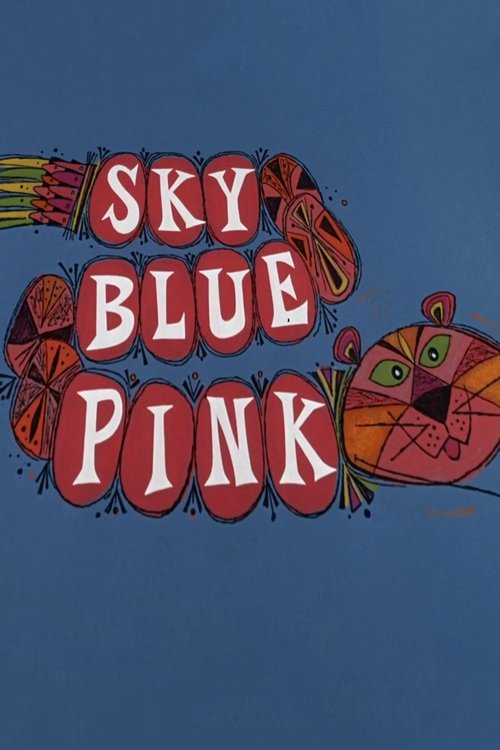
1968
No reviews yet. Be the first to share your thoughts on this movie!
Use the rating form above to leave a star rating and optional review.