We Feed the World
2005
No user ratings available yet
Representation score: 5.8 out of 10
Representation Score
Minimal
2006
Director
Nikolaus Geyrhalter
Runtime
92 minutes
Average Rating
No ratings yetNew Showbiz Analysis
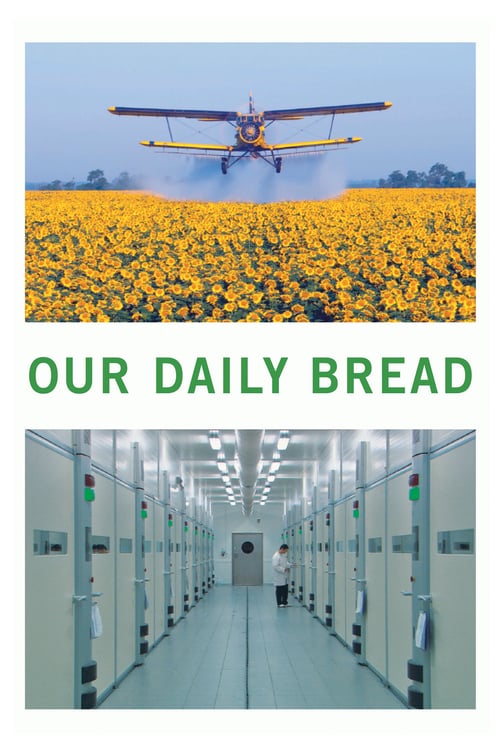
Our Daily Bread is a non-narrative observational study that deconstructs the mechanics of the modern food supply chain. By using a formalist aesthetic and rhythmic montage, the film shifts attention away from individual ability to act toward systemic, industrial processes. While the film lacks traditional demographic representation, it succeeds in its cultural critique. It challenges the perceived naturalness of Western dietary habits by exposing the alienation inherent in high-tech agricultural production. Ultimately, the film's strength lies in its systemic analysis rather than its portrayal of human diversity. It uses the scale of industrial landscapes to critique the structures underpinning modern society.
Category Breakdown
The film focuses entirely on industrial environments and biological processes. Since it lacks human characters or social narratives, there is no depiction of LGBTQ+ identities.
The cinematography prioritizes massive machinery over individual people. This focus on scale effectively neutralizes gendered social hierarchies by emphasizing industrial dehumanization.
The film centers on the sterile, monumental spaces of European food production. It does not use specific racial or ethnic identities as narrative drivers.
The documentary offers a profound critique of Western consumerism and industrial capitalism. It portrays the mechanized food complex as a surreal, grotesque spectacle.
The film remains focused on mechanical and systemic processes. It does not depict neurodivergence, physical disabilities, or mental health conditions as character traits.
Present on Screen
Limited or Absent
Official Synopsis
Welcome to the world of industrial food production and high-tech farming! To the rhythm of conveyor belts and immense machines, the film looks without commenting into the places where food is produced in Europe: monumental spaces, surreal landscapes and bizarre sounds - a cool, industrial environment which leaves little space for individualism.
2005
2013
2013
2000
2007
2019
2009
2005
No reviews yet. Be the first to share your thoughts on this movie!
Use the rating form above to leave a star rating and optional review.