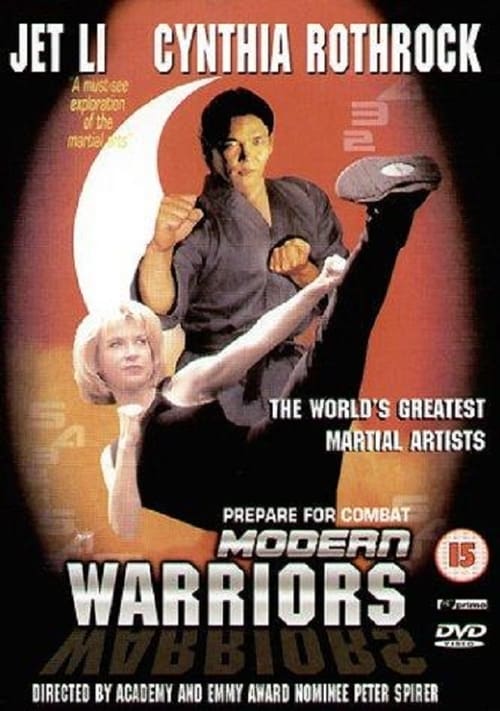
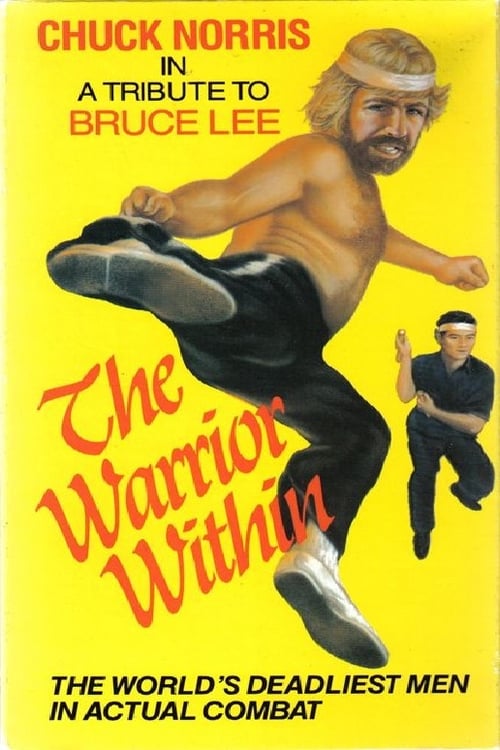
Modern Warriors
2002
No user ratings available yet
Representation score: 3.7 out of 10
Representation Score
Excellent
1976
GDirector
Burt Rashby
Runtime
80 minutes
Average Rating
No ratings yetNew Showbiz Analysis
The documentary offers a sophisticated look at discipline and survival by breaking down Western-centric physical hierarchies. It highlights female empowerment and the richness of Eastern cultural traditions. However, the film's emphasis on 'top-rated' experts narrows the scope of representation. The lack of LGBTQ+ identities and disability-focused narratives limits its inclusivity. Ultimately, the film's strength lies in its nuanced exploration of how cultural traditions evolve and how self-defense can serve as a tool for empowerment in a changing social landscape.
Category Breakdown
The film focuses on technical and philosophical martial arts mastery. It avoids romantic storylines centered around heterosexual relationships by emphasizing spiritual discipline, but it does not include any explicit LGBTQ+ identities.
The documentary highlights self-defense as a vital tool for women. It portrays martial arts as essential for women facing a violent world, challenging passive stereotypes.
The film excels by centering Eastern expertise through masters of Karate and Kung Fu. It delves into the complex Americanization of these arts and honors Bruce Lee's global impact.
The narrative emphasizes Eastern spirituality and mystical philosophies over Western secularism. It views martial arts as a sophisticated system of internal mastery and discipline.
There is no indication of practitioners with visible or invisible disabilities. The focus on elite, top-rated experts implies a standard of physical perfection that might exclude those with impairments.
Present on Screen
Limited or Absent
Official Synopsis
This documentary is about martial arts; about their beauty and their lethal potential, their history and their present status. It is also about their place in a modern society whose escalating crime rate and violence is making the knowledge of self defense a necessity for more and more ordinary people, especially women. The viewer is bombarded with a series of top rated martial artists. Fifteen top practitioners of Karate, Kung Fu, Jujitsu, Kendo, Tai Chi Chuan and Classical Oriental Weaponry pay tribute to the martial arts master of all time, Bruce Lee. Their expertise is brought to life before the probing eye of the motion picture camera, that delves into the Americanization of these arts. In addition to exhibiting their deadly skills, the masters talk honestly about themselves and about their mystical, spiritual and philosophic thoughts on the ancient art of self defense.
2002
2000
1998

2012
1979
2016
1994
2009
No reviews yet. Be the first to share your thoughts on this movie!
Use the rating form above to leave a star rating and optional review.