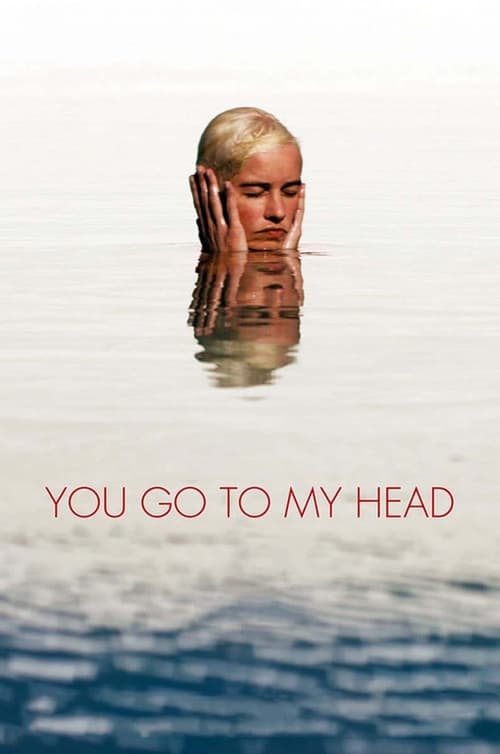
You Go To My Head
2017
No user ratings available yet
Representation score: 6.9 out of 10

Representation Score
Excellent
2017
RDirector
Arnaud Desplechin
Runtime
114 minutes
Average Rating
No ratings yetNew Showbiz Analysis
Ismael's Ghosts excels in its nuanced exploration of identity, particularly through its multi-layered approach to Jewish heritage and the blending of French and Israeli cultural contexts. The film avoids a purely Anglo-centric perspective by intertwining geopolitical tensions with the protagonist's personal history. However, the film remains tied to traditional romantic frameworks and paternal-centric themes. While it challenges the notion of stable masculinity, it does not provide significant representation for LGBTQ+ identities or specific disability ability to act. Ultimately, the film's strength lies in its postmodern interrogation of truth and memory, which sets it apart from more conventional, traditionalist cinema.
Category Breakdown
The film adheres to traditional heterosexual relationship structures, focusing on Ismael's relationships with Sylvia and Carlotta without highlighting non-binary or LGBTQ+ identities or explicit same-sex intimacy.
The narrative delves into the instability of masculinity through Ismael's grief and alcoholism. Female characters serve as disruptive forces but are often seen through the lens of the protagonist's subjective memory.
The film offers meaningful representation by integrating French and Israeli contexts. It moves beyond homogeneous Western portrayals by blending European and Middle Eastern heritage.
The story deconstructs a unified Western identity by focusing on the intersection of personal grief and geopolitical tensions. It prioritizes subjective memory over objective historical or religious narratives.
Mental health and alcoholism are examined as character studies of emotional distress. However, these elements lack the specific focus on ability to act-driven experiences necessary for a deeper depiction of neurodivergence or physical disabilities.
Present on Screen
Limited or Absent
Official Synopsis
Just as the disheveled and alcoholic filmmaker Ismaël embarks on a difficult new film project, his life is sent into a tailspin. His wife Carlotta, presumed dead for 20 years, come crashing back into his life creating chaos in his work and his current romantic relationship with the starry-eyed astronomer Sylvia.
2017
2009
1998
2014
2020
2019
2021
2018
No reviews yet. Be the first to share your thoughts on this movie!
Use the rating form above to leave a star rating and optional review.