
Ismael's Ghosts
2017
No user ratings available yet
Representation score: 8.0 out of 10
Representation Score
Good
1998
PG-13Director
Paul Auster
Runtime
103 minutes
Average Rating
No ratings yetNew Showbiz Analysis
Paul Auster’s film is a sophisticated postmodern work that challenges traditional storytelling and romantic structures. It uses subtext to question conventional relationship dynamics and explores identity through fragmented perception. However, the film’s progressive qualities are limited by a narrow demographic focus. The lack of racial diversity and the heavy reliance on a Western, intellectual aesthetic keep the narrative within a specific cultural bubble. Ultimately, while the film succeeds in intellectually and queer-themed subversion, it fails to offer meaningful representation for diverse racial groups or individuals with disabilities.
Category Breakdown
The film centers its emotional core around the bond between two men, offering a nuanced look at queer intimacy without explicitly labeling the relationship. The subtext provides a sophisticated exploration of queer connections.
The female lead primarily serves as a catalyst for the narrative, shifting the focus away from her. The story mainly revolves around male perspectives and intellectual themes.
The film features a predominantly white and Western cast, reinforcing a specific European aesthetic with little racial or ethnic diversity. The Venetian setting highlights a homogeneous demographic.
The narrative focuses on postmodern moral relativism and subjective reality, emphasizing a secular, existentialist perspective through its intellectual characters.
No characters with visible or invisible disabilities are prominently featured. The protagonist's physical trauma is used as a metaphorical device rather than exploring the lived experience of disability.
Present on Screen
Limited or Absent
Official Synopsis
A famous jazz saxophonist's life is forever changed after he is accidentally shot.
2017
1986
1992
2000
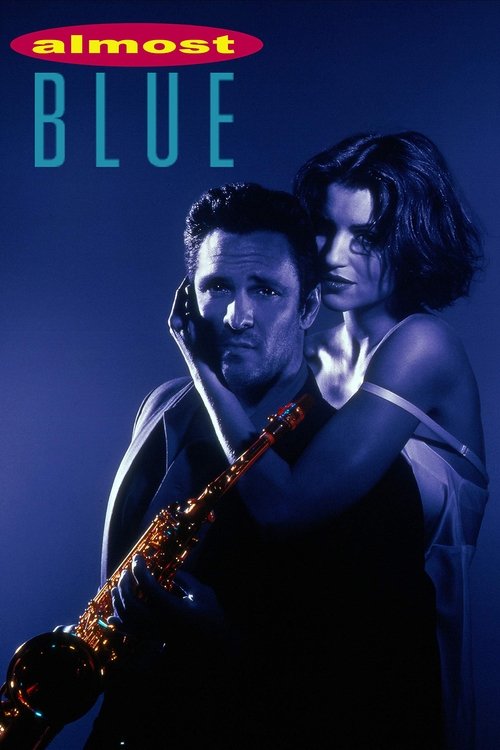
1993
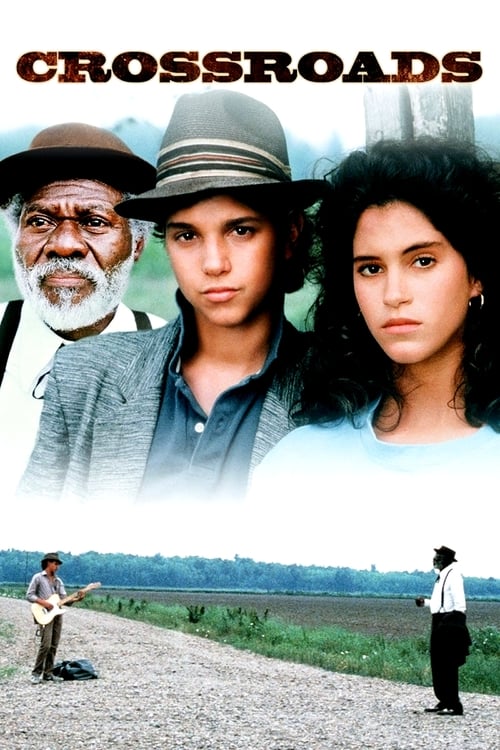
1986

2002
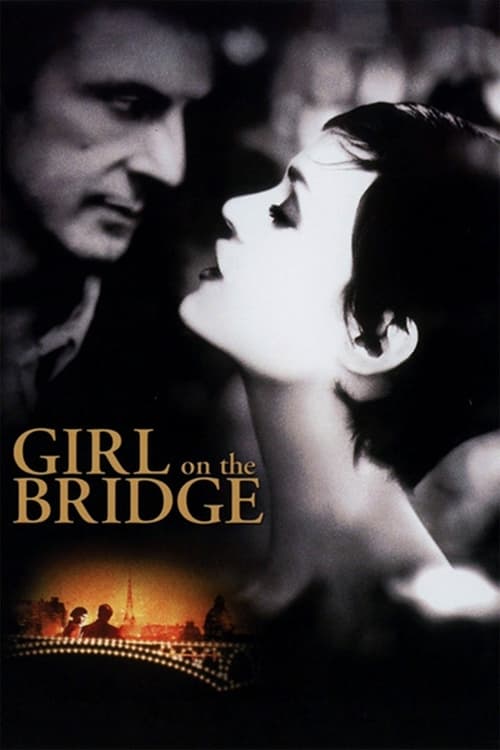
1999
No reviews yet. Be the first to share your thoughts on this movie!
Use the rating form above to leave a star rating and optional review.