
Charlie Chan's Murder Cruise
1940
No user ratings available yet
Representation score: 1.3 out of 10
Representation Score
Minimal
1941
NRDirector
Harry Lachman
Runtime
61 minutes
Average Rating
No ratings yetNew Showbiz Analysis
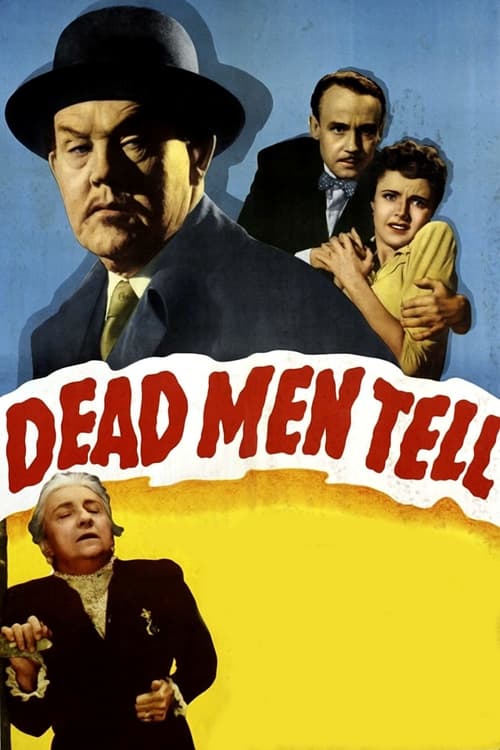
Dead Men Tell operates as a conventional mystery-thriller within the established Charlie Chan franchise. It relies on standard whodunit clichés like treasure hunts and suspicious passengers to drive the plot. The film's diversity is defined by its era. While the central non-white protagonist offers a baseline for racial representation compared to 1941 standards, the narrative lacks multi-layered complexity. It follows the traditional cinematic conventions of the early 1940s without attempting to challenge social norms. Ultimately, the work functions as a genre piece that reinforces mid-century storytelling structures rather than challenging them.
Category Breakdown
The film does not include any characters with LGBTQ+ identities. It adheres strictly to the social norms of 1941.
An elderly woman serves as the wealthy sponsor, providing a minor instance of female influence. However, the plot is primarily driven by the detective, Charlie Chan.
Charlie Chan's presence provides a departure from the era's typical white leads. While his role is significant, the depth of his portrayal remains unverified.
The story uses a traditional Western mystery framework centered on maritime adventures. It lacks any critique of Western institutions or significant cultural relativism.
The synopsis contains no mention of characters with physical or neurodivergent disabilities.
Present on Screen
Limited or Absent
Official Synopsis
When the elderly woman sponsoring a treasure hunt is murdered on board her docked ship, Charlie Chan must deal with a treasure map in four pieces, the ghost of a hanged pirate, a talking parrot, a recalcitrant sea captain and several suspicious passengers - and a second murder.
1940

1964

1940
1944

1941

1936

1942

1940
No reviews yet. Be the first to share your thoughts on this movie!
Use the rating form above to leave a star rating and optional review.