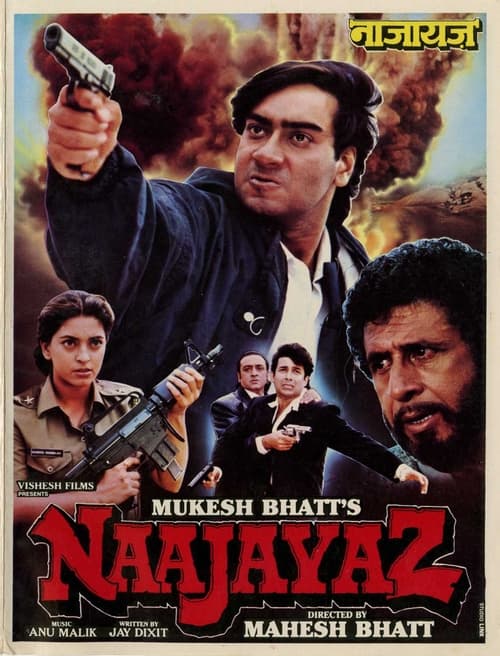
Naajayaz
1995
No user ratings available yet
Representation score: 5.0 out of 10

Representation Score
Limited
1999
Director
Govind Nihalani
Runtime
161 minutes
Average Rating
No ratings yetNew Showbiz Analysis
Thakshak is a sophisticated social critique that challenges typical action genre clichés. Instead of a straightforward hero-villain setup, it delves into the tension between personal ability to act and the oppressive nature of unchecked superstition. The film’s intellectual strength lies in its examination of systemic issues. It portrays the 'oppressor' not as a single villain, but as the irrationality embedded in unexamined traditional social structures. While the film adheres to conventional boundaries regarding gender and LGBTQ+ representation, its deep engagement with cultural deconstruction and social hierarchies adds substantial progressive themes.
Category Breakdown
The film does not include any LGBTQ+ characters or explore non-straight identities. The story centers on traditional family and community structures.
Female characters such as Suman play important roles, but their influence is often tied to male-dominated conflicts. Suman's decision to testify challenges traditional expectations, but the narrative stays within conventional gender roles.
The film offers an authentic look at rural Indian social structures. It explores caste-based dynamics and regional identity without relying on superficial casting.
The narrative effectively critiques superstition and religious rituals as sources of violence. It contrasts individual morality with the irrationality of mob mentality and entrenched traditions.
There is no significant or meaningful portrayal of physical or neurodivergent disabilities in the main storyline.
Present on Screen
Limited or Absent
Official Synopsis
Ishaan is bound by tradition and friendship to protect Sunny, a gangster and his best friend. However, he faces a moral dilemma when the woman he loves testifies against Sunny.
1995
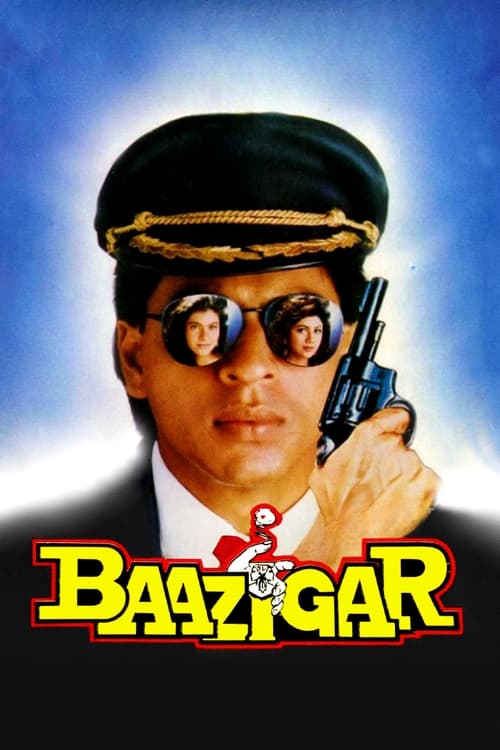
1993
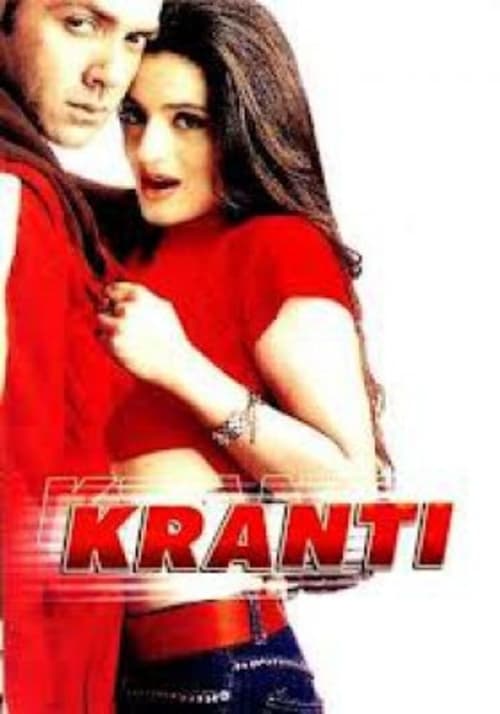
2002

2015

1989
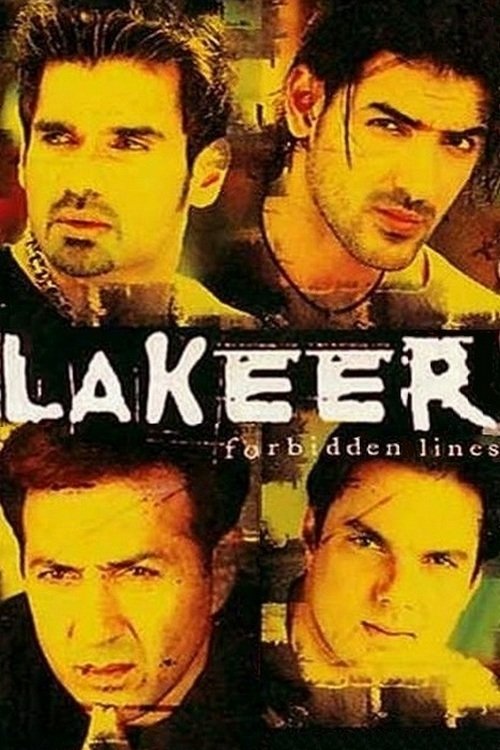
2004
1993
2004
No reviews yet. Be the first to share your thoughts on this movie!
Use the rating form above to leave a star rating and optional review.