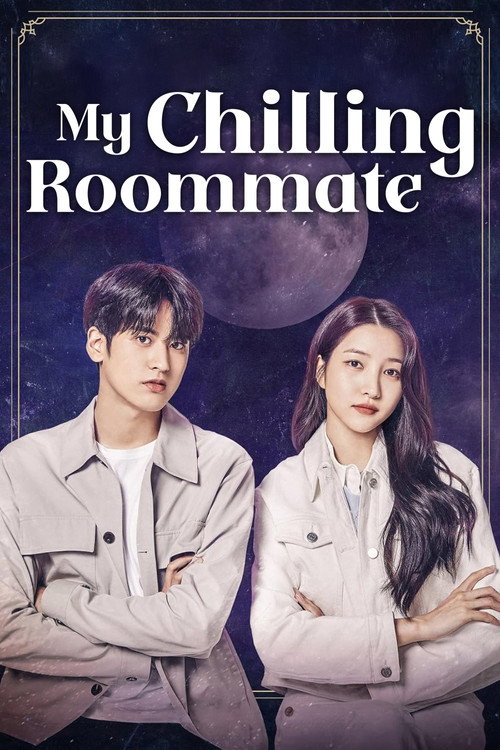
My Chilling Roommate
2022
No user ratings available yet
Representation score: 7.3 out of 10

Representation Score
Good
2012
Director
Lee Eun-jin
Runtime
70 minutes
Average Rating
No ratings yetNew Showbiz Analysis
Don't Worry, I'm a Ghost offers a unique exploration of identity through a blend of genres. It challenges traditional social hierarchies by focusing on a relationship that transcends biological norms and physical reality. The film provides a strong cultural foundation using a South Korean framework, avoiding a Western-centric perspective. It uses metaphysical elements to explore human vulnerability and memory. However, it lacks explicit markers for specific queer or non-assuming gender matches what was assigned at birth identities and does not provide specific depictions of physical disabilities.
Category Breakdown
The film features a romantic connection between a living man and a non-corporeal entity. Though it doesn't explicitly label the relationship, the premise challenges traditional heterosexual norms by focusing on a relationship beyond physical constraints.
Yeon-Hwa, as a ghost, holds significant influence over the story. She actively guides the protagonist's journey of self-discovery, positioning herself as a knowledgeable mentor rather than a passive figure.
This South Korean production offers a localized perspective on life and death. It avoids a Western-centric viewpoint, presenting a culturally specific experience that challenges the dominance of Western cinema.
The story emphasizes internal psychological experiences over strict religious interpretations. By portraying the ghost as a companion rather than a religious symbol, the film explores the afterlife from a secular, existential angle.
The protagonist's amnesia serves as a cognitive impairment that drives the plot. The film uses this condition to explore themes of identity and vulnerability with empathy.
Present on Screen
Limited or Absent
Official Synopsis
A man wakes up in the hospital after an accident with no memory of his name, family, or home. After the police identify him as Lee Mungi, he returns home, only to wake up and find a girl watching him. She claims to be a ghost. Mungi dismisses her as a hallucination until he finds her photo at a funeral and learns her name is Kim Yeonhwa. When he asks if she wants him to find her killer, Yeonhwa says the police can handle that and reveals that he has a more important task. The reason she came to him lies within his lost memories.
2022
2010
2019

2011

2018

2014
2007
2016
No reviews yet. Be the first to share your thoughts on this movie!
Use the rating form above to leave a star rating and optional review.