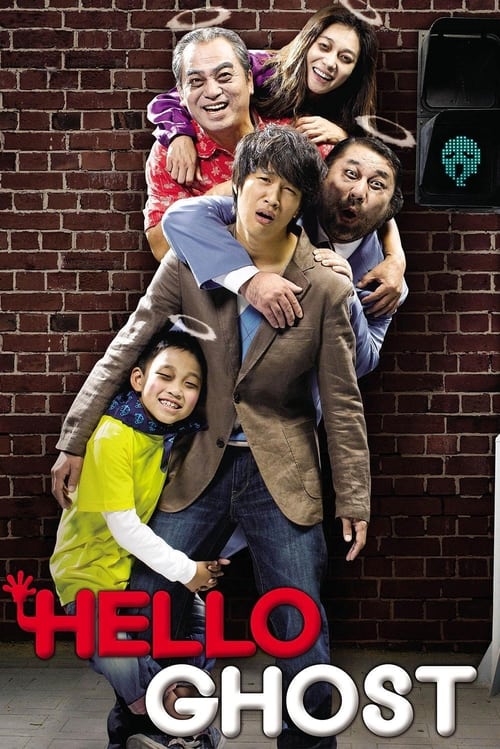
Hello Ghost
2010
No user ratings available yet
Representation score: 4.6 out of 10
Representation Score
Good
2018
Director
Jo Won-hee
Runtime
97 minutes
Average Rating
No ratings yetNew Showbiz Analysis
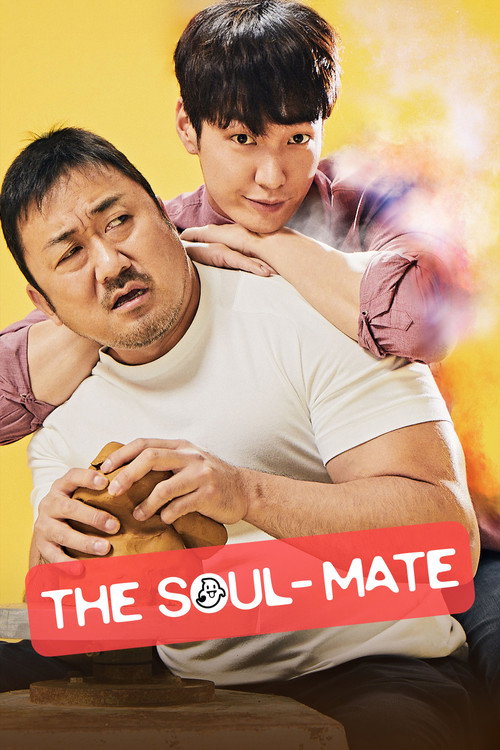
The Soul-Mate is a character-driven genre piece that emphasizes emotional resonance and interpersonal bonds over systemic critique. It excels in portraying empathetic female friendships and exploring profound spiritual connections between the living and the dead. However, the film remains within traditional narrative structures. It doesn’t actively deconstruct social hierarchies, engage with identity politics, or represent neurodivergent or physically disabled characters. Ultimately, the film functions as a localized, culturally specific story that focuses on the intimacy of the human experience rather than interrogating diverse social identities.
Category Breakdown
The film delves into deep emotional connections and spiritual bonds that challenge typical romantic narratives. However, it doesn't explicitly show non-straight or non-binary identities or same-sex relationships.
Female characters play significant roles and have nuanced perspectives. The story disrupts traditional male-centric action clichés by focusing on the internal lives and evolving bonds among women.
The cast and setting are primarily Korean, offering a genuine, localized cultural perspective. While it avoids Western homogenization, it doesn’t actively diversify ethnic representation.
The story follows conventional social structures and traditional moral frameworks. It emphasizes restorative justice and duty without critiquing institutions or prioritizing secular views.
The ghost serves as a metaphysical fantasy device rather than representing lived disability. The film doesn't address visible or invisible disabilities.
Present on Screen
Limited or Absent
Official Synopsis
Jang-soo is a judo instructor who is indifferent to everyone but his daughter. One day he realizes he can see Tae-jin, a ghost who used to be a devoted police officer. Tae-jin asks Jang-soo to help solve the case that took his life away from him.
2010

2023
2022
2008
2022

2002
2019

2017
No reviews yet. Be the first to share your thoughts on this movie!
Use the rating form above to leave a star rating and optional review.