
Tarnation
2003
No user ratings available yet
Diversity score: 7.7 out of 10
2010
NRDirector
Steven Soderbergh
Runtime
89 minutes
Average Rating
No ratings yetSynopsis
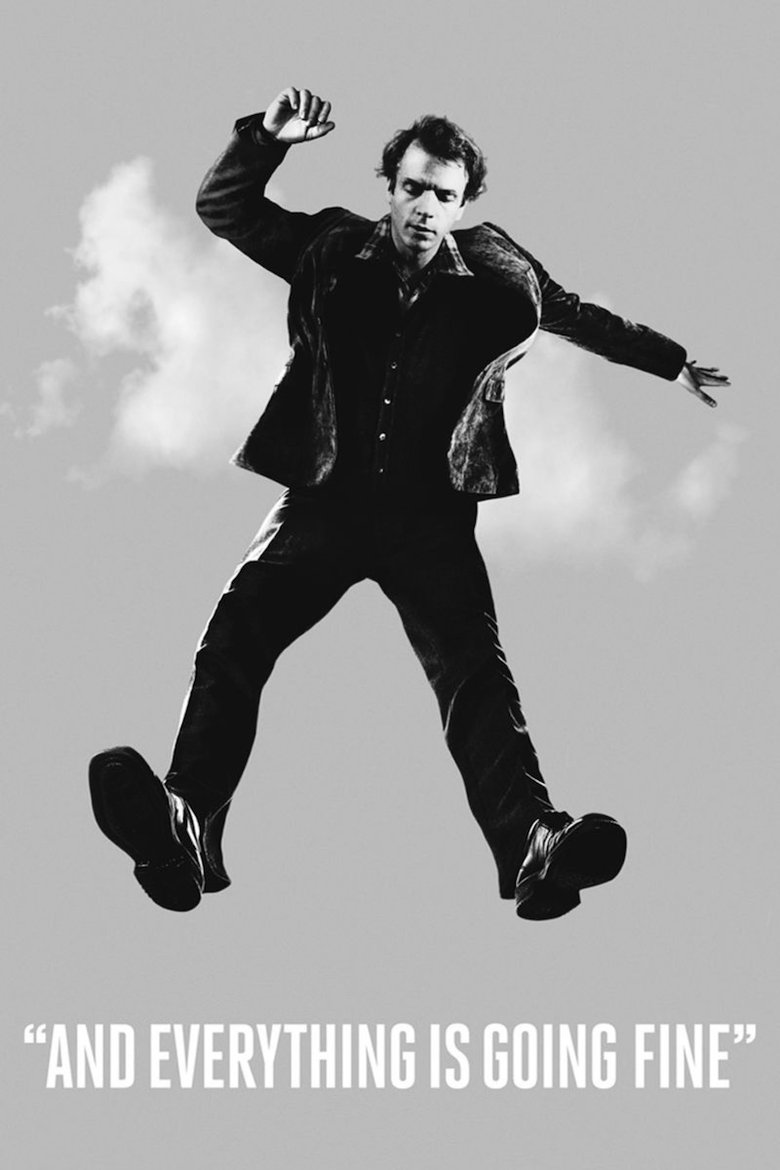
From the first time he performed Swimming to Cambodia - the one-man account of his experience of making the 1984 film The Killing Fields - Spalding Gray made the art of the monologue his own. Drawing unstintingly on the most intimate aspects of his own life, his shows were vibrant, hilarious and moving. His death came tragically early, in 2004; this compilation of interview and performance footage nails his idiosyncratic and irreplaceable brilliance.
Overall Score
Fair
Category Breakdown
LGBTQ+ Representation
The film centers on Spalding Gray's intimate, identity-driven monologues. However, the narrative does not explicitly confirm the depiction of non-heteronormative identities or specific LGBTQ+ stories.
Gender Representation
The narrative architecture is built entirely around a singular male perspective. It functions as a study of individual masculinity through performance but lacks diverse gendered agency.
Racial & Ethnic Diversity
This character study focuses on Gray's personal history and individualistic expression. There is no evidence of a diverse cast or a narrative exploring intersectional racial dynamics.
Religious & Cultural Diversity
The film prioritizes raw, idiosyncratic accounts over polished biographical structures. This emphasis on personal, secular truth disrupts traditional institutional narratives in favor of individualistic expression.
Disability Representation
The focus on intense monologue and personal struggle suggests an exploration of psychological vulnerability. While specific clinical depictions are unconfirmed, the work dives deep into emotional states.
Strengths
Areas for Improvement
AI Analysis
And Everything Is Going Fine is a specialized character study that prioritizes intense subjectivity over broad demographic representation. It succeeds in presenting a raw, non-conformist view of truth through Spalding Gray's idiosyncratic performances. However, the film's narrow focus on a single male perspective limits its intersectional reach. The lack of diverse casting and systemic critique prevents it from addressing broader social hierarchies. Ultimately, the work is a study of individual vulnerability rather than a tool for social or demographic disruption.
No reviews yet. Be the first to share your thoughts on this movie!
Use the rating form above to leave a star rating and optional review.