
The Sword and the Sorcerer
1982
No user ratings available yet
Representation score: 0.6 out of 10
Representation Score
Minimal
1984
RDirector
John C. Broderick
Runtime
81 minutes
Average Rating
No ratings yetNew Showbiz Analysis
The film adheres to conventional 1980s fantasy clichés, emphasizing established genre archetypes over social critique. It centers around a female character with magical powers but defines her role primarily through her captivity to the male protagonist. The narrative structure relies on traditional hierarchies and binary conflicts, lacking the complexity needed to address multi-layered identities or systemic issues. The world-building focuses on a straightforward resource conflict rather than exploring diverse cultural perspectives. Overall, the film upholds the storytelling norms typical of its era, offering limited disruption to traditional narrative patterns.
Category Breakdown
The film does not include any characters with LGBTQ+ identities. The relationship between the male protagonist and the female lead is based on traditional romantic clichés.
Naja uses her magical powers to play a significant role in the story, but she is framed as a beautiful captive, reinforcing traditional gender roles and the damsel-in-distress cliché.
The setting on planet Ura does not show significant racial blending or color-blind casting. The focus remains on binary archetypes without addressing multi-layered identities.
The story follows a classic good-versus-evil framework, focusing on a plot-driven conflict over a central well without critiquing systemic oppression.
There are no characters with visible or invisible disabilities in the film. The narrative does not integrate such identities or use them as plot devices.
Present on Screen
Limited or Absent
Official Synopsis
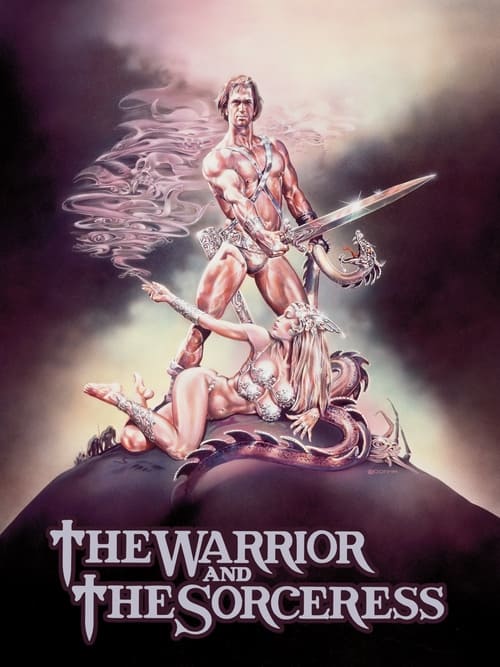
The mighty warrior, Kain, crosses the barren wastelands of the planet Ura, where two arch enemies, Zeg and the evil degenerate Balcaz, fight incessantly for control of the village's only well. Kain sees his opportunity and announces that his sword is for hire... but his eyes stay clearly on the beautiful captive sorceress Naja, and his newly awakened purpose.
1982
1981
1990
1977
1989
1985

1988

1985
No reviews yet. Be the first to share your thoughts on this movie!
Use the rating form above to leave a star rating and optional review.