Sinbad of the Seven Seas
1989
No user ratings available yet
Representation score: 3.5 out of 10
Representation Score
Limited
1990
PG-13Director
Joe D'Amato
Runtime
95 minutes
Average Rating
No ratings yetNew Showbiz Analysis
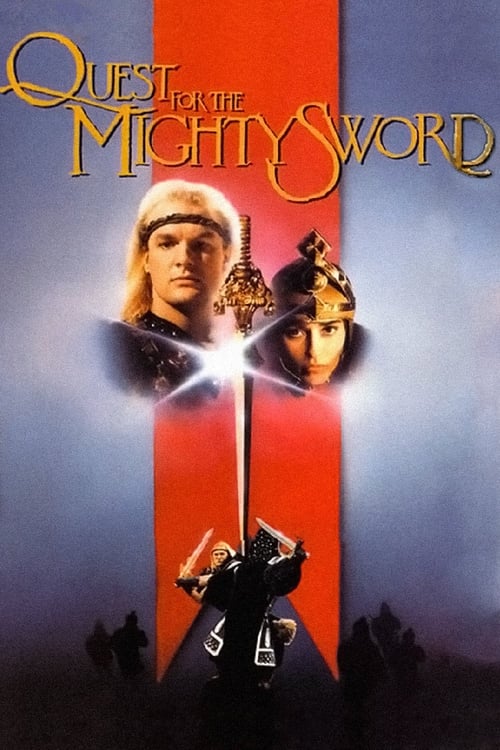
Quest for the Mighty Sword is a traditional genre piece that adheres to the established cinematic conventions of its era. The narrative structure reinforces conventional hierarchies regarding gender and heroism, lacking the intentionality required to disrupt traditional clichés. The film relies on standard sword-and-sorcery archetypes, focusing on a singular male hero's journey. This approach results in a lack of storytelling that reflects multiple aspects of identity or social deconstruction. Ultimately, the production prioritizes commercial genre requirements over progressive narrative architecture or nuanced representation.
Category Breakdown
The film follows a conventional structure centered on a male protagonist and does not include non-straight or non-cisgender identities. There is no evidence of same-sex relationships or identities.
Prince Ator holds the main role, while female characters like Dehamira serve as catalysts for his journey. This reinforces the damsel in distress cliché.
The setting reflects a predominantly Eurocentric aesthetic common to 1990s Italian fantasy. The world-building lacks racial blending or diverse ethnic identities.
The narrative adheres to traditional heroic journeys and singular moralities. It reinforces established notions of divine right rather than critiquing institutions of power.
There is no discernible focus on neurodivergence or physical disabilities. Characters function within standard physical archetypes without addressing lived disability.
Present on Screen
Limited or Absent
Official Synopsis
Once upon a time a god gave a mighty sword to the king of Aquiles to bring justice to his people. Now he wants it back - but the king rather gives his life than the sword. Goddess Dehamira, who spoke for him, is being taken all her privileges and banned in a circle of fire, until a human arrives who's strong enough to free her. When prince Ator becomes 18, he gets the sword from the mean sorcerer gnome Grindl, to free Dehamira and his people. On his journey he has to fight against dragons and other fantastic figures.
1989
1981
1963
1977
1985

2004
1984
1985
No reviews yet. Be the first to share your thoughts on this movie!
Use the rating form above to leave a star rating and optional review.