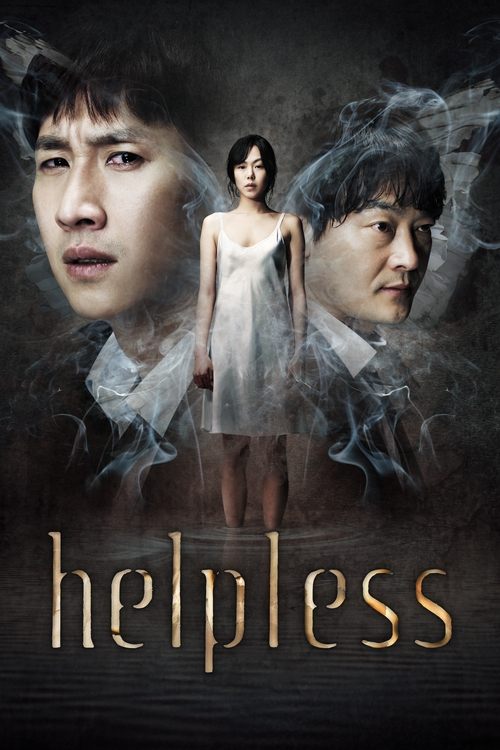
Helpless
2012
No user ratings available yet
Representation score: 6.7 out of 10

Representation Score
Fair
2024
Director
Kim Dae-woo
Runtime
113 minutes
Average Rating
No ratings yetNew Showbiz Analysis
Hidden Face is a psychological thriller that prioritizes thematic depth over broad demographic representation. It deconstructs traditional romantic hierarchies and explores the erosion of social norms through its central characters. The film's strength lies in its ability to use a mystery to examine moral ambiguity and the breakdown of professional and personal bonds. It moves away from stable patriarchal depictions toward a more chaotic, character-driven landscape. However, the film lacks overt demographic diversity. The focus remains on a specific cultural context and a central heterosexual triangle, leaving little room for broader representation of identity or disability.
Category Breakdown
The film focuses on a romantic triangle involving a fiancé, a missing fiancée, and a replacement cellist. Although there are no explicit LGBTQ+ characters, the narrative explores the fluidity of attraction and challenges traditional social contracts.
Female characters drive the plot through Su-yeon's disappearance and Mi-ju's interference in the protagonist's life. The tension arises from how these women destabilize the male conductor's authority and emotional stability.
Set within a South Korean orchestral community, the film presents a culturally specific, homogeneous ensemble. It operates within its own cultural context without evidence of Westernized casting norms.
The story critiques the polished facades of high-society institutions like the orchestra. It prioritizes individual impulses and moral relativism over traditional notions of fidelity and social propriety.
There is no mention of characters with visible or invisible disabilities in the narrative. Consequently, there is no representation in this category.
Present on Screen
Limited or Absent
Official Synopsis
Su-yeon, a cellist in an orchestra led by her fiancé and conductor Sung-jin, disappears one day, leaving behind only a video recording. Sung-jin is devasted over the loss of Su-yeon, but feels a strong attraction to Mi-ju, a cellist who fills in for his fiancée. Then one rainy night, Sung-jin and Mi-ju get swept away by their mutual desires for each other and commit an unforgivable act at Su-yeon's house.
2012

2010
2020

2018

2014

2022
2018
2025
No reviews yet. Be the first to share your thoughts on this movie!
Use the rating form above to leave a star rating and optional review.