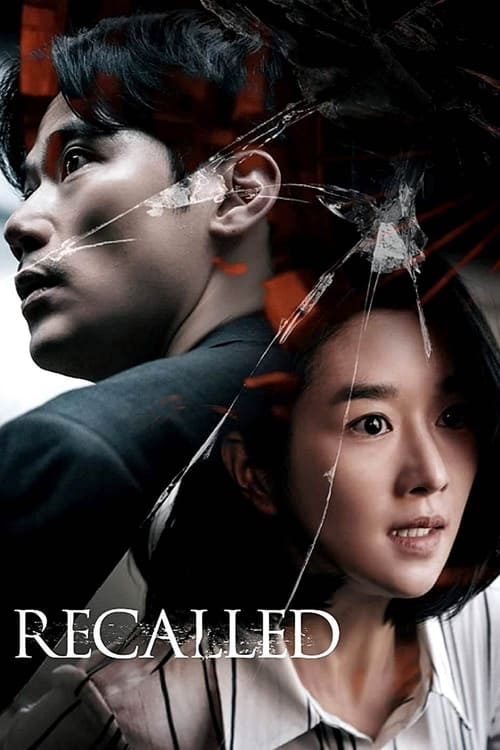
Recalled
2021
No user ratings available yet
Representation score: 7.1 out of 10

Representation Score
Fair
2018
Director
Ko Kyung-min
Runtime
87 minutes
Average Rating
No ratings yetNew Showbiz Analysis
Deja Vu is a psychological thriller that focuses on the deconstruction of reality rather than broad demographic representation. Its strength lies in exploring the disconnect between personal experiences and institutional truths, offering a nuanced look at subjective morality. However, the film lacks explicit markers of diversity. There is no representation of LGBTQ+ identities, and the racial casting remains within a single domestic framework. While the female lead provides a central perspective, the film does not clearly challenge traditional gender roles. Ultimately, Deja Vu functions as a standard genre piece, engaging with complex psychological themes but missing opportunities to incorporate broader social or identity-based diversity.
Category Breakdown
The film does not include any openly LGBTQ+ characters or same-sex relationships. The main romantic tension revolves around a female protagonist and her fiancé.
Jimin is the central protagonist, leading the psychological and investigative storyline. It is unclear whether the film challenges traditional gender roles or follows conventional thriller formulas.
The cast is primarily East Asian, reflecting the local cultural context but not showcasing diverse racial representation.
The story questions the reliability of social institutions, focusing on subjective morality rather than traditional moral absolutes.
The narrative centers on Jimin's psychological crisis and hallucinations. It is unclear whether her mental state is portrayed with ability to act or simply as a plot device.
Present on Screen
Limited or Absent
Official Synopsis
Jimin has killed a girl in a car accident when she was driving with her fiance Woojin. From that night, she experiences terrifying hallucination seeing the dead girl. Unable to bear it, she finally goes to the police to report the truth, only to find that she didn’t actually have a car accident.
2021

2017
2017

2019

2023

2007
2020
2015
No reviews yet. Be the first to share your thoughts on this movie!
Use the rating form above to leave a star rating and optional review.