The Match
2026
No user ratings available yet
Representation score: 1.2 out of 10
Representation Score
Limited
2014
Director
Sebastián Bednarik, Andrés Varela
Runtime
75 minutes
Average Rating
No ratings yetNew Showbiz Analysis
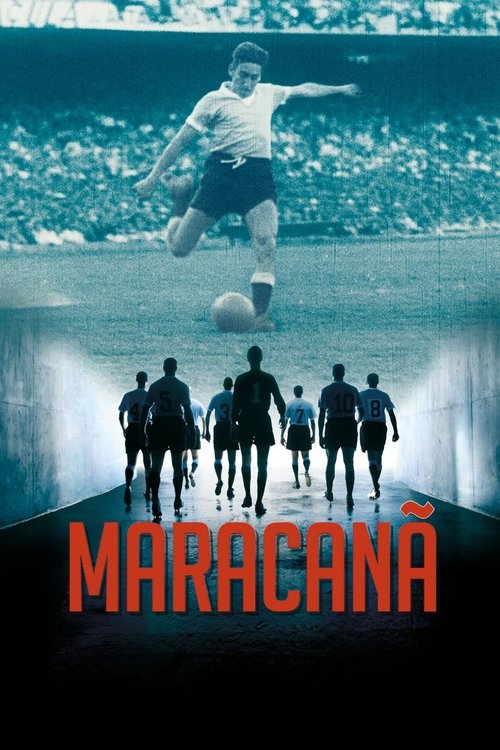
Maracanã goes beyond a typical sports documentary by using the 1950 World Cup as a lens for sociological inquiry. It prioritizes the political ramifications of the Brazil-Uruguay rivalry over mere athletic statistics, examining how historical trauma shapes national identity. The film effectively deconstructs nationalistic fervor and explores systemic tensions within South American social structures. It treats the sporting event as a catalyst for broader shifts in power dynamics and collective memory. However, the documentary remains rooted in historically male-dominated spheres, offering little engagement with modern identity politics. It lacks representation for LGBTQ+ and disabled communities, focusing instead on the macro-level intersections of sport and statehood.
Category Breakdown
The film does not provide specific information about LGBTQ+ characters or themes. Given its focus on the 1950 World Cup, it does not explore these identities.
The film centers on traditional masculine structures inherent to mid-century geopolitics and professional football. While it may examine social impacts on the broader populace, it does not explicitly challenge gender hierarchies.
The film delves into the complexities of South American identity and regional history. It uses the unexpected 1950 victory as a metaphor for disrupting established hierarchies.
The documentary examines the fragility of national institutions and the volatility of patriotism. It critiques how national identity is constructed and used as a tool for political influence.
There is no evidence regarding the portrayal of physical or neurodivergent identities. The historical context of the subject matter does not include these specific representations.
Present on Screen
Limited or Absent
Official Synopsis
The unexpected victory over Uruguay in the World Cup Brazil 1950 continues to have social and political ramifications for both countries.
2026

2021
2014

2022
2014
2013
2011
2019
No reviews yet. Be the first to share your thoughts on this movie!
Use the rating form above to leave a star rating and optional review.