Tutankhamun In Colour
2020
No user ratings available yet
Representation score: 7.2 out of 10
Representation Score
Limited
2011
GDirector
Valerie Girie, Guillaume Hecht
Runtime
52 minutes
Average Rating
No ratings yetNew Showbiz Analysis
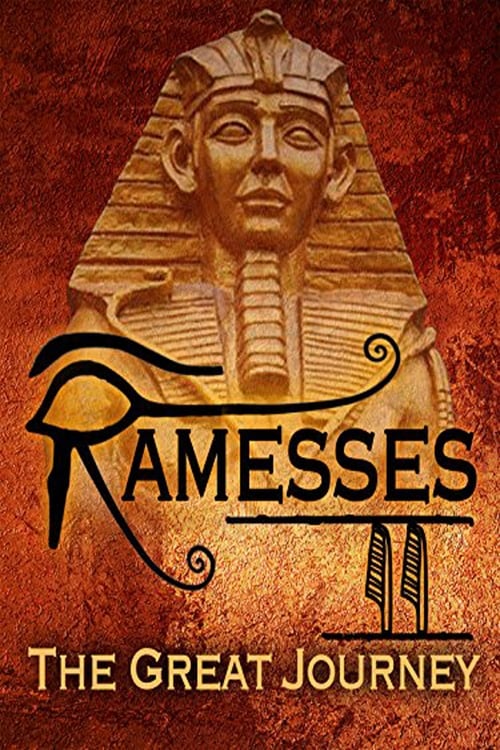
Ramesses II: The Great Journey is a traditional historical documentary that prioritizes archaeological discovery and chronological accuracy. While it provides essential visibility into an ancient North African civilization, the narrative framework follows conventional storytelling patterns rather than challenging social hierarchies. The film's perspective is split between the indigenous history of Egypt and the Western colonial lens of 19th-century explorers. This dual focus provides moderate racial and cultural visibility but adheres to traditional exploratory clichés. Ultimately, the documentary lacks intentional representation that reflects multiple aspects of identity, focusing instead on statecraft, lineage, and the singular authority of the Pharaoh.
Category Breakdown
The documentary focuses on the life and death of Ramesses II. It contains no evidence of LGBTQ+ characters or narratives exploring non-straight relationships.
The narrative centers on the patriarchal structure of ancient Egyptian kingship. It emphasizes the singular authority of the male Pharaoh without highlighting women's ability to drive the story.
The film provides visibility into a North African civilization. However, it balances indigenous history with the perspective of 19th-century European archaeological expeditions.
The film explores ancient religious rites and the journey to the afterlife. It functions as a historical record rather than a critique of Western institutions.
There is no documented evidence regarding the portrayal of physical or neurodivergent disabilities in this historical documentary.
Present on Screen
Limited or Absent
Official Synopsis
3,200 years ago, Egypt is living the final hours of its golden age under the reign of Ramesses II. After ruling the country for 67 years, the great pharaoh dies at the old age of 92. His mummy is burried in the heart of the Valley of the Kings. This is the beginning of his great journey towards the afterlife but only under one condition: that his tomb remains off limits forever. However, in the 19th century, many European adventurers explore the tomb of the king searching for the burial chamber. Then begins an archeological investigation, which reveals the story of Ramesses II after-life.
2020
2020
2007
1955
2019

1997
1998
2022
No reviews yet. Be the first to share your thoughts on this movie!
Use the rating form above to leave a star rating and optional review.