The Smashing Pumpkins: Graceful Swans of Never
2001
No user ratings available yet
Diversity score: 4.0 out of 10
2009
NRDirector
Chris Rodley
Runtime
89 minutes
Average Rating
No ratings yetSynopsis
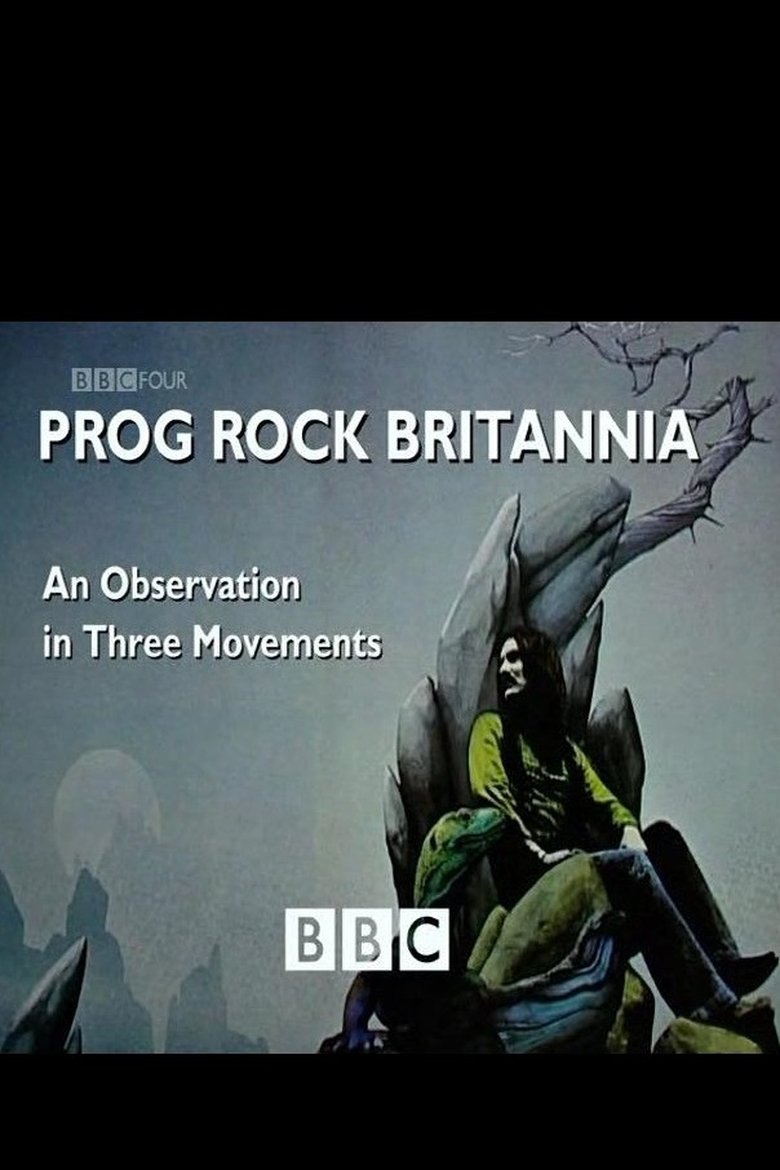
Overview of Prog Rock history in the UK: Documentary about progressive music and the generation of bands that were involved, from the international success stories of Yes, Genesis, ELP, King Crimson and Jethro Tull to the trials and tribulations of lesser-known bands such as Caravan and Egg.
Overall Score
Limited
Category Breakdown
LGBTQ+ Representation
The documentary lacks explicit narratives centered on non-cisnormative identities. It prioritizes technical musical evolution and discographic milestones over identity-based storytelling.
Gender Representation
The film reflects the male-dominated landscape of the progressive rock era. It focuses on seminal bands that reinforce traditional masculine leadership structures.
Racial & Ethnic Diversity
The subjects are largely Anglo-Saxon musicians within a geographically specific UK context. There is no evidence of racial diversity within this historical survey.
Religious & Cultural Diversity
This work functions as a celebration of a specific Western musical tradition. It chronicles British artists within the established music industry framework.
Disability Representation
There is no evidence regarding the portrayal of visible or invisible disabilities. Neurodivergence and physical disabilities are not utilized as narrative devices.
Strengths
Areas for Improvement
AI Analysis
Prog Rock Britannia acts as a traditional historical retrospective of a specific musical movement. The film focuses on the technical evolution and biographical histories of key British bands, which naturally mirrors the demographic homogeneity of the late 1960s and 1970s. Because the documentary prioritizes archival storytelling and musical milestones, it reflects the era's existing social hierarchies rather than challenging them. The narrative is centered on a historically narrow demographic, resulting in a lack of intersectional representation. Ultimately, the film serves as a tool for cultural preservation of a Western genre. It documents the successes and struggles of a specific group of artists without addressing broader social or identity-based complexities.
No reviews yet. Be the first to share your thoughts on this movie!
Use the rating form above to leave a star rating and optional review.