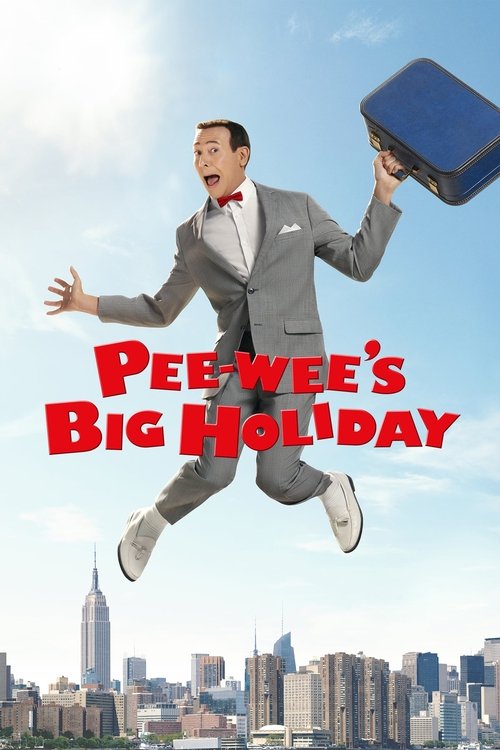
Pee-wee's Big Holiday
2016
No user ratings available yet
Representation score: 6.2 out of 10
Representation Score
Fair
1988
PGDirector
Randal Kleiser
Runtime
86 minutes
Average Rating
No ratings yetNew Showbiz Analysis
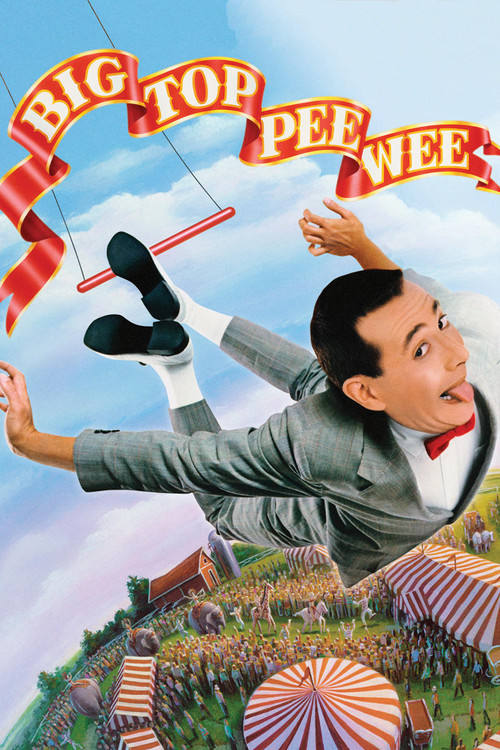
Big Top Pee-wee is a period-specific comedy that prioritizes surreal slapstick over social or systemic narrative depth. The film operates within a conventional comedic framework that does not challenge traditional hierarchies or explore multi-layered identities. Characterization is centered around physical absurdity rather than complex social themes. The circus setting introduces a range of archetypal performers, but the representation remains superficial and reliant on clichés. Ultimately, the film functions as a character study in bodily dysfunction and slapstick humor, leaving significant gaps in meaningful representation for women, LGBTQ+, and diverse cultural perspectives.
Category Breakdown
There are no LGBTQ+ characters or perspectives in the film. The story focuses solely on the protagonist's physical comedy and does not engage with non-straight or non-cisgender identities.
Women have minimal influence in the male-dominated circus setting. The plot follows traditional 1980s comedic structures where gender roles are secondary to the main jokes.
The circus includes performers from various ethnic backgrounds, but these identities are portrayed using traditional stereotypes rather than providing deeper multi-layered insights.
Cultural elements are limited to situational humor and minor disruptions of authority. The film avoids complex institutional critiques, focusing instead on the protagonist's personal struggle for dignity.
The protagonist's condition is primarily used for physical comedy. While it offers some representation, it mainly serves as a comedic device rather than exploring the character's ability to drive the story.
Present on Screen
Limited or Absent
Official Synopsis
Paul Reubens stars as Pee-wee Herman in his second full-length film about a farmer who joins the circus after a storm drops a big tent in his front yard. Pee-wee, along with an outlandish cast of animals and circus performers, puts on the best show ever.
2016
1998
1994
1966
1996
1990
2011
1979
No reviews yet. Be the first to share your thoughts on this movie!
Use the rating form above to leave a star rating and optional review.