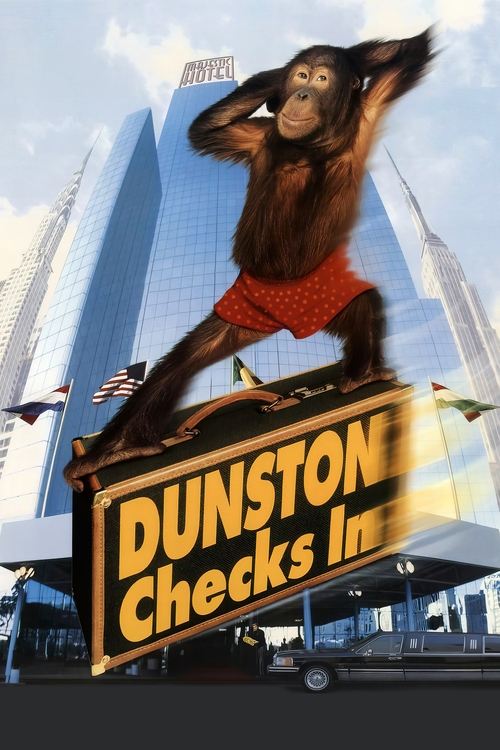
Dunston Checks In
1996
No user ratings available yet
Representation score: 1.1 out of 10
Representation Score
Minimal
1994
PGDirector
Franco Amurri
Runtime
96 minutes
Average Rating
No ratings yetNew Showbiz Analysis
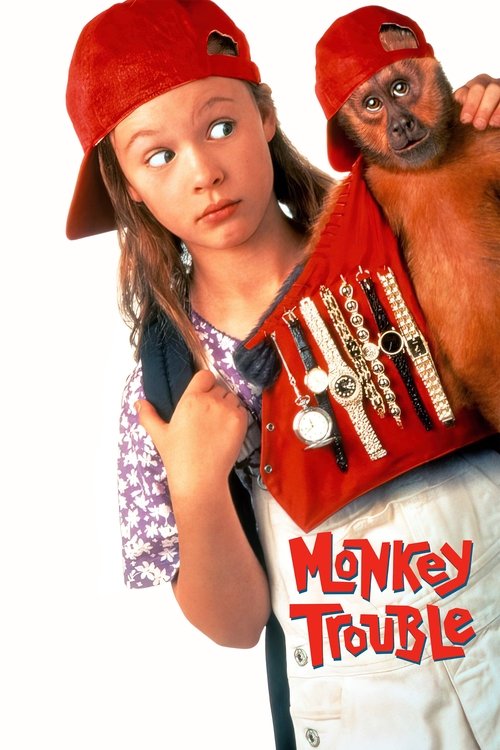
Monkey Trouble is a typical 1990s family comedy that emphasizes slapstick humor over social depth. It stays within a narrow, traditional narrative scope, avoiding exploration of diverse identities or complex social structures. While the young female lead is central to the plot, the broader character compositions remain homogeneous and traditional. The film sticks to established genre boundaries and Western comedic frameworks, serving primarily as light entertainment.
Category Breakdown
The film does not include any LGBTQ+ characters or storylines. The narrative revolves around the interactions between a child and a monkey.
The female protagonist, Eva, drives the plot through her relationship with the monkey. However, the film adheres to traditional comedic clichés without challenging gender hierarchies.
The cast appears predominantly homogeneous, with no indication of diverse ethnic perspectives or intentional color-blind casting.
The story operates within a traditional Western framework focused on family entertainment. It relies on a conventional moral structure without addressing social or systemic issues.
No physical or invisible disabilities are portrayed within the main character arcs. The film does not incorporate neurodivergence into its narrative.
Present on Screen
Limited or Absent
Official Synopsis
Dodger, a criminal monkey, belongs to a crooked street performer but escapes his life of crime only to end up in the arms of Eva, an innocent little girl whose mother has no idea that her daughter is harboring a fugitive.
1996
1965
1990
1998
1992

1993
1996
1997
No reviews yet. Be the first to share your thoughts on this movie!
Use the rating form above to leave a star rating and optional review.