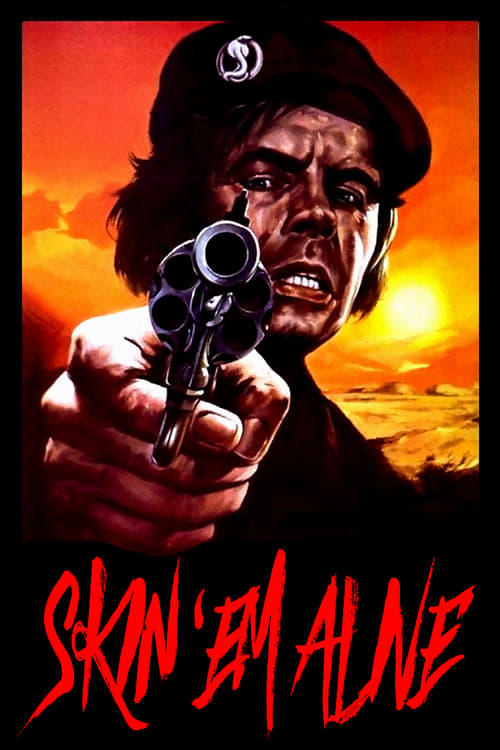
Skin 'em Alive
1978
No user ratings available yet
Representation score: 0.3 out of 10
Representation Score
Limited
1979
Director
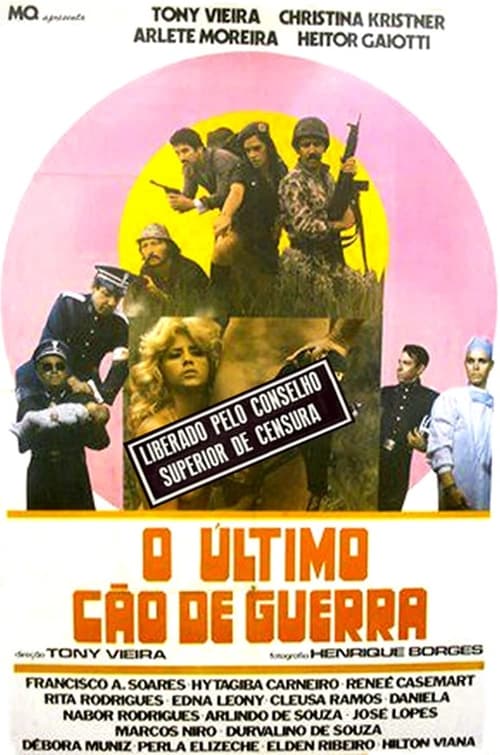
Tony Vieira
Runtime
92 minutes
Average Rating
No ratings yetNew Showbiz Analysis
The Last Dog of War is a conventional 1970s action-adventure film that relies on established genre clichés. Its value lies in its thematic opposition to fascist structures rather than demographic diversity. The film operates through a classic hero-versus-tyrant framework. While it lacks significant representation across most identity-based vectors, its structural critique of racial purity ideologies provides a foundational engagement with systemic injustice. Ultimately, the narrative prioritizes the ability to act of the mercenaries to disrupt an oppressive system, adhering to the period's cinematic standards regarding character roles and casting.
Category Breakdown
The film does not include explicit LGBTQ+ characters or non-straight relationships. The story focuses on the central mission and the interactions among the main characters.
Female characters play a crucial role in driving the plot but are often passive recipients of violence. Male characters have more control over the story, reinforcing traditional masculine roles.
The cast is predominantly Western, reflecting a homogeneous demographic. Although the film critiques racial supremacy, it does not use a diverse cast to address these themes.
The film critiques extremist ideologies by portraying the antagonist as an architect of oppression. This highlights the critique of totalitarianism and institutional corruption.
There are no characters with visible or invisible disabilities integrated into the narrative or used as central themes.
Present on Screen
Limited or Absent
Official Synopsis
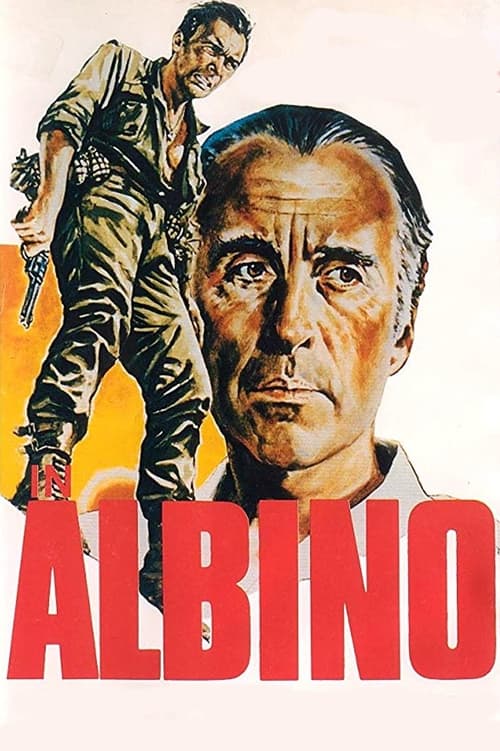
In an imprecise time and country, General Zog, a neo-Nazi, sets up a concentration camp, with the direct help of a lieutenant and a doctor. Girls who live on the farms are kidnapped to continue the plan to create a pure breed. When the missing girls' parents hire a pair of mercenaries, Joe and Cat, to investigate what's going on, there are bullets and explosions everywhere!
1978
1980

1989

1967
1968
1976

2002

1983
No reviews yet. Be the first to share your thoughts on this movie!
Use the rating form above to leave a star rating and optional review.