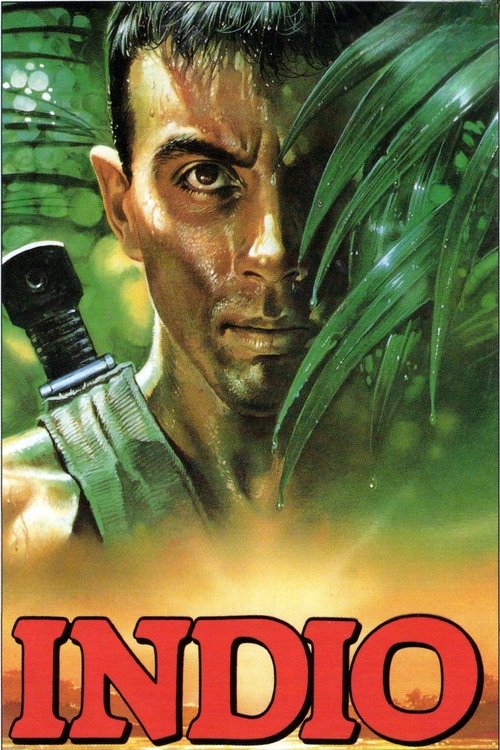
Indio
1989
No user ratings available yet
Representation score: 3.0 out of 10
Representation Score
Limited
1968
MDirector
Mel Welles
Runtime
0 minutes
Average Rating
No ratings yetNew Showbiz Analysis
The Last Mercenary is a classic 1960s adventure film that adheres closely to genre conventions. The narrative revolves around masculine-coded conflict and the acquisition of strategic resources, limiting multi-layered character development. Although the South American setting offers a diverse geographic backdrop, the film relies on traditional clichés. The focus remains on the mission of the two main characters, which restricts the ability to act of local or diverse populations. Overall, the film operates as a conventional action piece. It lacks evidence of diverse representation or the challenging of established social hierarchies.
Category Breakdown
The film follows the conventions typical of 1960s action cinema, assuming everyone is straight or cisgender. There are no LGBTQ+ characters or non-traditional gender identities.
The story focuses on two male mercenaries involved in combat and resource protection. This narrow focus emphasizes traditional masculine roles and lacks diverse gender representation.
Set in a South American jungle, the film involves local miners. However, their roles are unclear, and they may serve as secondary obstacles rather than fully developed characters.
The plot follows a standard Western adventure storyline centered on uranium transport. It does not address or challenge Western institutions or systemic issues.
There is no information about the portrayal of physical or neurodivergent disabilities in this film.
Present on Screen
Limited or Absent
Official Synopsis
After the war in Congo, two mercenaries take a mission to safeguard uranium transportation in a South American jungle, fighting bandits and local miners.
1989

1972
1965
1964
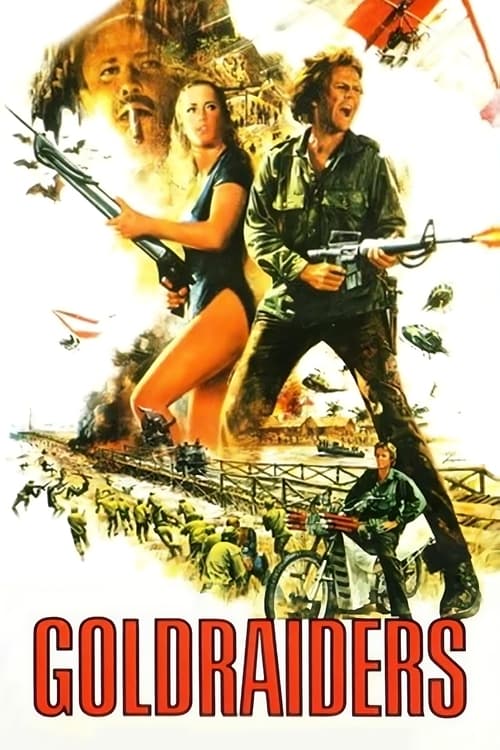
1982
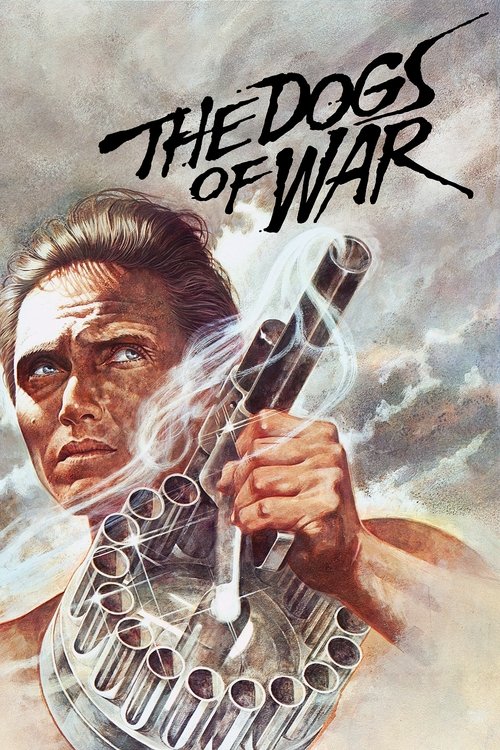
1980
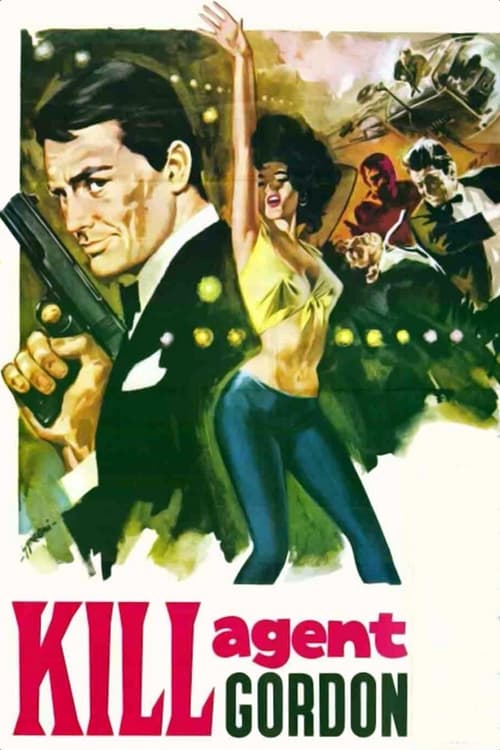
1966

1950
No reviews yet. Be the first to share your thoughts on this movie!
Use the rating form above to leave a star rating and optional review.