
The Mother
2003
No user ratings available yet
Representation score: 2.5 out of 10

Representation Score
Limited
2005
RDirector
Ira Sachs
Runtime
108 minutes
Average Rating
No ratings yetNew Showbiz Analysis
Forty Shades of Blue is a character-driven exploration of intimacy and domestic tension. It presents unconventional interpersonal dynamics and individual ability to act, moving away from idealized family clichés. However, the film's focus on a relatively homogeneous demographic limits its progressive impact. It does not explore a wide range of diverse lived experiences. Ultimately, the film serves as a localized study of specific character types rather than a broad examination of diverse communities.
Category Breakdown
The film examines non-traditional relationships and queer domestic life. However, it doesn't have a central queer character to anchor the story.
The story challenges traditional gender roles by emphasizing the emotional labor and active roles of its main characters. It highlights unstable power dynamics rather than stable patriarchal structures.
The film focuses on a predominantly white, middle-class urban setting. Although there is a Russian immigrant character, the overall cast lacks diversity.
The narrative emphasizes personal emotions and conflicts within families, rather than following religious guidelines. Traditional family structures are portrayed as sources of conflict.
The film does not address physical, neurological, or sensory disabilities. The conflicts center around psychological and relational issues.
Present on Screen
Limited or Absent
Official Synopsis
A Russian woman living in Memphis with a much older rock-n-roll legend experiences a personal awakening when her husband's estranged son comes to visit.
2003

2009

2014

1999

2002

2012
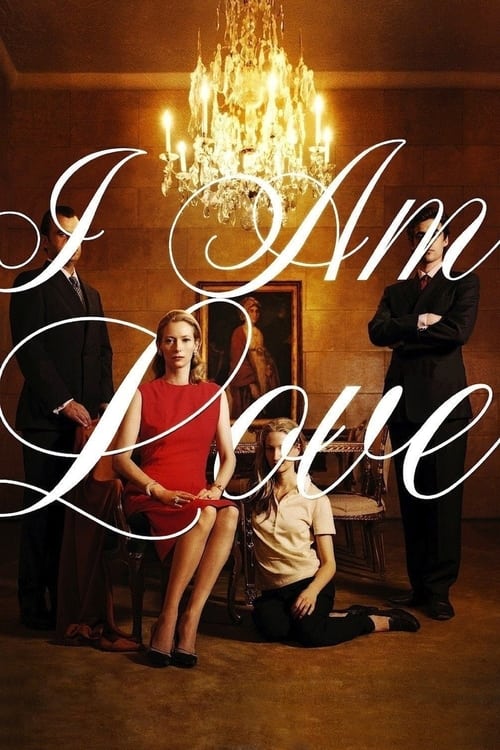
2010

2000
No reviews yet. Be the first to share your thoughts on this movie!
Use the rating form above to leave a star rating and optional review.